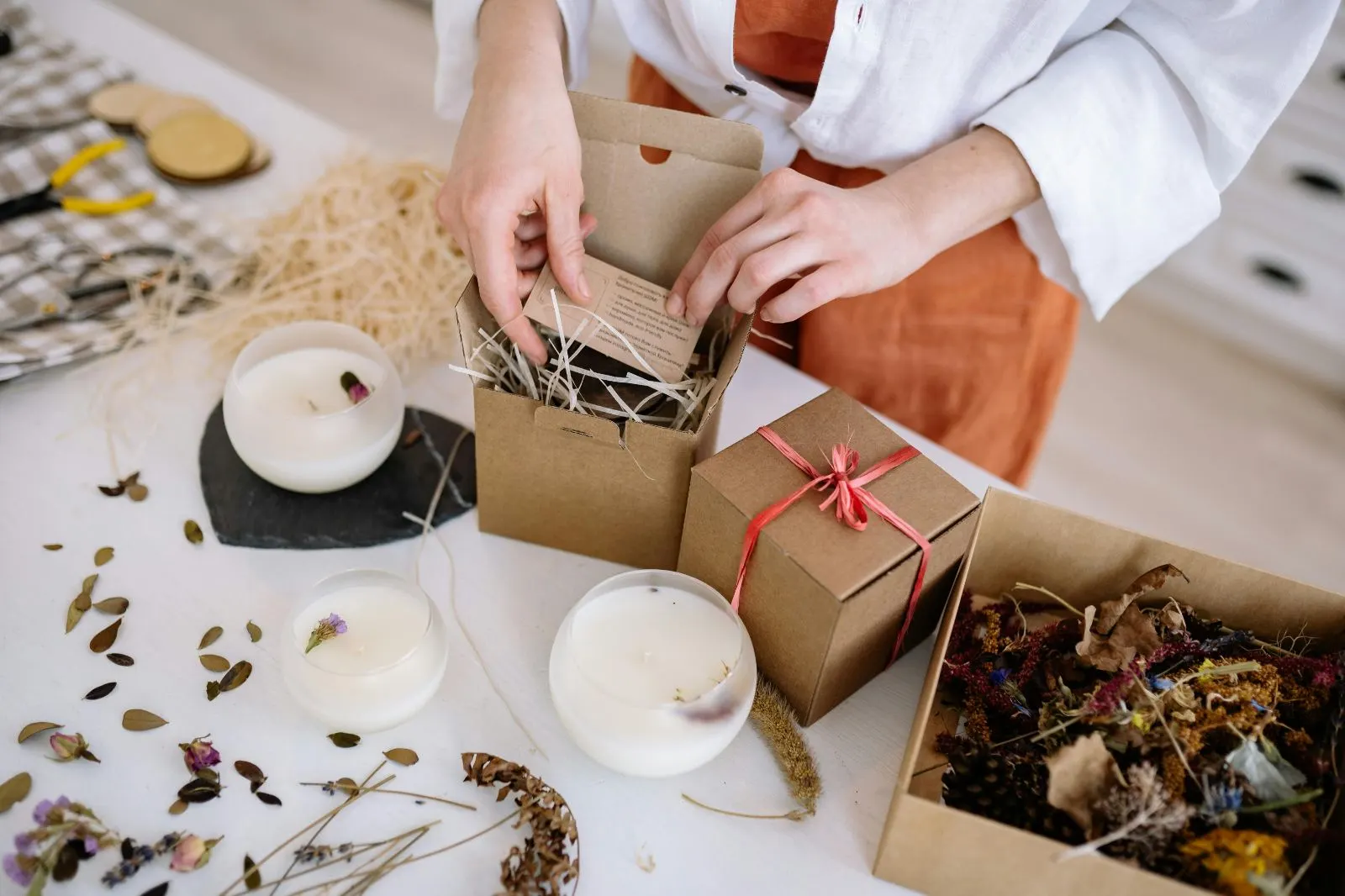
Introduction:
While launching a new product or starting a new brand, what comes to mind? The product should be innovative, convenient for consumers, and it should add value to their lives. And yes, the packaging. However, one thing that brand owners usually overlook is the psychology of packaging. Packaging, especially secondary packaging, plays a crucial role in influencing your customers’ buying decisions. Almost 72% of American consumers claim that their buying decision is influenced by the package itself.
A well-designed custom packaging box is essential for your branding, product presentation, storytelling, first impressions, unboxing experiences, and product protection. It adds value to your brand and your product. Choosing the right custom secondary packaging component manufacturers is the key to your perfectly engineered custom box.
What Is Secondary Packaging?
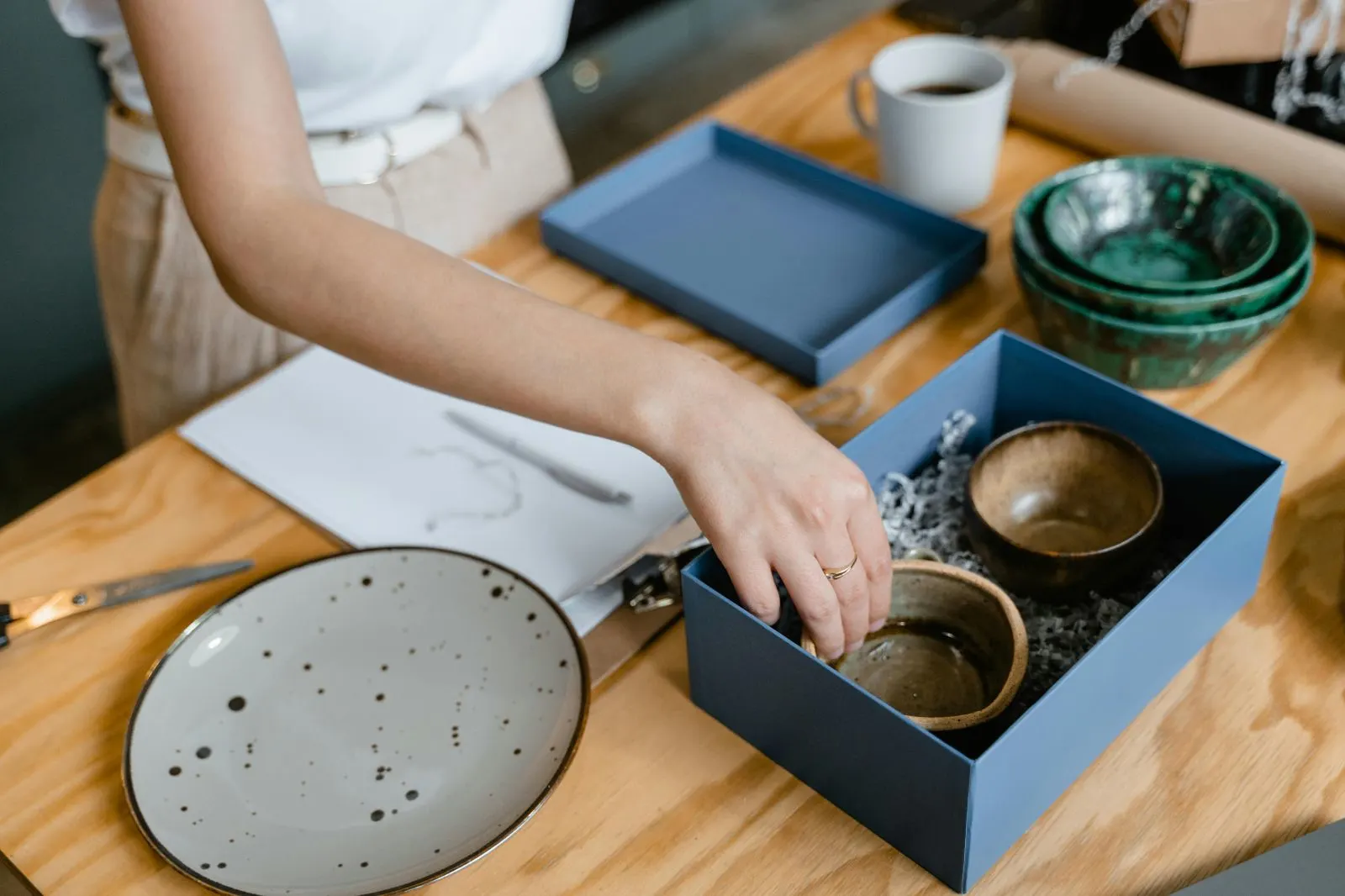
Secondary packaging refers to the outer packaging used to group, protect, store, or display products after the primary packaging. For many modern brands, secondary packaging acts like a “silent salesperson” because it influences customer perception before the package is even opened and the product is even used. This is called the 3-second rule in the US market. Research says that it only takes 3 seconds for your customer to judge your product value by the way it looks or is packaged. That is where secondary packaging plays its part. It helps businesses with retail display, shipping, logistics, customer experience, branding, product protection, and product organization.
Primary Packaging vs Secondary Packaging
To understand the difference between primary and secondary packaging, it is important to first know all the types. There are three types of packaging: primary secondary tertiary packaging. To simplify it:
Primary packaging directly holds the product.
- (primary packaging examples: a coffee pouch or soap wrapper)
Secondary packaging surrounds the primary packaging.
- (examples: the mailer box, display box, insert, or shipping carton)
Tertiary packaging deals with wholesale and bulk shipping.
- (for instance: stretch-wrapped pallet containing a quantity of secondary cardboard/corrugated boxes)
Why Secondary Packaging Matters More Than Ever
Imagine ordering a product online. The first thing you notice is not the product itself, right? It’s the packaging.
- The shipping box it arrived in.
- The protective insert inside.
- The branded tissue wrap with the printed brand logo.
- The thank-you card.
That entire experience is what businesses call secondary packaging.
In today’s competitive retail and e-commerce market, packaging is no longer just about protection. It has become part of branding, customer experience, marketing, and even social media visibility.
In fact, many businesses in the USA now invest heavily in custom secondary packaging because customers often associate packaging quality (tactile cues, such as weight of the box, texture, and even sound) with product quality. If the box feels heavy, and the lid opens with a whoosh sound, the brain has already decided the product inside is luxury and worth the premium price.
Whether you own a skincare brand, coffee business, bakery, candle company, or subscription service, you should know that secondary packaging can help you create a stronger customer experience while improving product protection and presentation.
Common Types of Secondary Packaging Used by Businesses
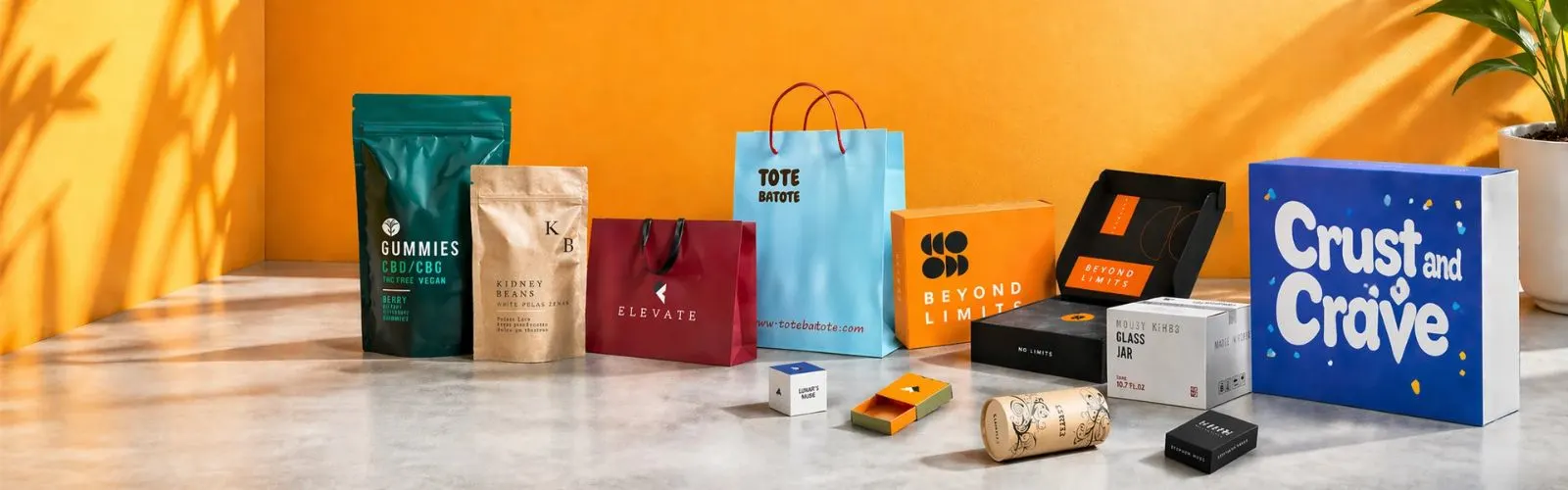
There is no single “best” packaging type. Different businesses require different packaging solutions depending on the product, shipping needs, and customer experience goals. Let’s explore the most common types used in the USA market. Here are the secondary packaging examples every brand needs to know:
A. Custom Boxes: The Most Popular Packaging Choice
Custom boxes are one of the most widely used forms of secondary packaging because they combine structure, branding, and protection. Businesses use them for e-commerce shipping, retail shelves for increased visibility, subscription packaging, luxury gifting, and product storage.
Popular styles include:
- Mailer Boxes: These are custom boxes with a self-locking design & secure base, ideal for subscription brands, e-commerce, and DTC businesses. They offer a clean unboxing experience and strong product protection.
- Tuck Boxes / Folding Cartons: They are lightweight paperboard boxes, commonly used for cosmetics, soaps, candles, supplements, and food products.
- Kraft Boxes: These are eco-friendly packaging made of 100% recycled kraft paper for modern brands that meet sustainability needs.
- Rigid Boxes: Premium packaging designed for luxury products such as perfumes, electronics, jewelry, and high-end candles, these boxes are made of rigid cardboard for added strength and durability.
- Display Boxes: These boxes are used in retail stores to improve product visibility, user engagement with the product, and encourage impulse purchases.
|
Interesting fact: Many brands intentionally design packaging for “Instagrammable unboxing moments” because customers often share attractive packaging online for free brand exposure. |
Choosing the right secondary packaging solutions is important to upscale your brand look and perceived value. Assess your product needs and choose which style is perfect for it. In this guide, we will briefly explain which industries should use which box style.
B. Flexible Packaging: Pouches & Bags
Flexible packaging has grown rapidly because it is lightweight, cost-effective, and easy to store. One major advantage is shipping efficiency. Flexible packaging takes up less space and usually lowers transportation costs compared to rigid containers. If you’re an e-commerce or DTC brand in the US, selling coffee, snacks, bakery products, supplements, pet food, CBD products, or cosmetic samples, this type of secondary packaging is best for you. Common options include:
- Mylar Bags: They are durable and puncture-resistant bags with PTE, food-grade aluminium barrier layer, and plastic (BoPET) layer for product preservation and enhanced shelf visibility.
- Stand-Up Pouches: These are customized mylar bags with an added gusseted base. They have an upright structure that increases branding and printing options for brands.
- Ziplock Pouches: They are specialized mylar pouches that are mostly used for food preservation with resealable packaging and child-resistant features to keep your products safe from little hands.
- Kraft Mylar bags: Kraft material creates an eco-friendly look to Mylar pouches. In these multi-layered bags, the outer layer is made of kraft paper for a sustainable outlook, and on the inside, it consists of aluminium foil for food storage and product preservation.
- Kraft Bags: Kraft bags are made of a single kraft paper layer, commonly used to hold bakery products or small retail items.
Packaging Inserts That Improve Customer Experience
Sometimes small details create the biggest impact. Packaging inserts help products stay organized while improving presentation, such as foam inserts, cardboard dividers, molded pulp trays, product holders, thank-you cards, and instruction cards. These functional add-ons elevate customer experience by providing an unboxing experience, convenience, and a visually appealing outlook.
|
Tip: Luxury brands especially use inserts to create a premium “reveal” effect when customers open the box. |
For instance, think about how Apple packages its products. Every item has its own carefully designed space. That level of organization creates a feeling of quality and attention to detail.
Labels, Sleeves & Wrap Packaging
Not every product requires a fully printed box. Many small businesses prefer simpler packaging solutions like:
- Product labels
- Sleeve packaging
- Wrap-around packaging
- Stickers and seals
These options are especially useful for startups because they lower packaging costs while still allowing branding customization. For example, many handmade soap brands use kraft boxes with custom printed sleeves instead of expensive fully printed packaging. If you’re a small startup or a home-based business, you can also choose simpler packaging options to save on production and logistics costs.
Retail Displays That Help Products Sell Faster
Retail packaging is not just about protection. It is also about product visibility in a crowded marketplace or retail shelves. If your packaging is being overlooked, your product is getting ignored. Custom display packaging helps products stand out in stores, supermarkets, and checkout counters. A good display packaging can also increase impulse purchases simply by improving how products are presented. Popular retail display solutions include counter display boxes, floor displays, POP displays, shelf-ready packaging, and hanging display boxes.
How Businesses Choose the Right Packaging Type?
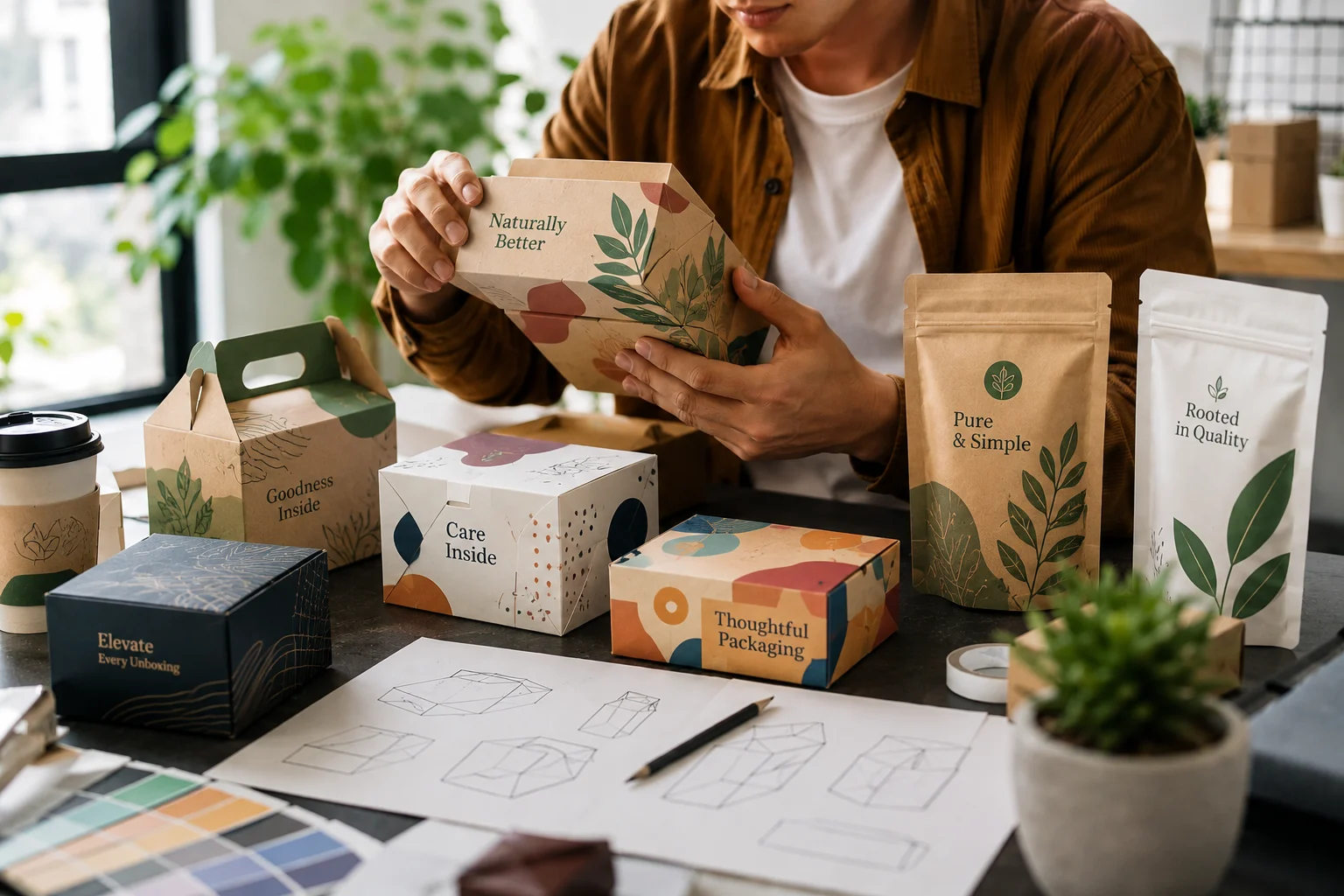
Choosing packaging is not just about appearance. Businesses usually consider several factors before finalizing packaging. Here are the most important things brands evaluate:
Branding Goals
Some businesses want minimal packaging. Others want a luxury presentation. A skincare startup targeting Gen Z customers may choose pastel mailer boxes with soft-touch finishes, while an organic bakery may prefer kraft packaging for a natural appearance. Packaging should visually reflect the brand identity.
Customer Experience
Modern packaging is heavily connected to customer experience. Easy-open designs, resealable closures, inserts, and premium finishes all improve how customers interact with the product. A positive unboxing experience often increases customer loyalty and repeat purchases.
Product Protection
Fragile products require stronger packaging materials. For example, candle boxes often require inserts and rigid structures, glass jars may need corrugated protection to avoid clanking, and coffee or food product packaging needs moisture barriers. The more delicate the product, the more important structural packaging becomes.
Shipping & Storage Needs
Packaging must also work practically. Businesses often ask us: Is the packaging lightweight? Is it easy to stack? Will shipping costs increase? Does it save warehouse space? We get such questions almost every day. This is why many e-commerce businesses in the U.S. now prefer corrugated mailer boxes and flexible pouches.
Packaging Materials Used in Secondary Packaging
Different materials offer different benefits depending on the product and industry. The common types of packaging materials used in secondary packaging include corrugated, kraft, rigid, and paperboard.
Corrugated Cardboard
One of the most common shipping materials in the USA is corrugated cardboard. They provide enough strength and durability to the product, which ensures protection against the rigours of handling and transportation.
|
Benefits |
Used for |
|
|
|
|
|
|
|
|
Kraft Paper
Kraft packaging has become extremely popular because of its natural appearance. It provides a very warm, earthly, and organic look while meeting the sustainability needs of Earth. It creates a balance between premium and eco-friendly packaging.
|
Benefits |
Used for |
|
|
|
|
|
|
|
|
SBS Paperboard
SBS (Solid Bleached Sulfate) paperboard offers a clean white surface ideal for printing. It provides a clean, plain surface, ideal for visually striking colors and high-quality printing, important for branding.
|
Benefits |
Used for |
|
|
|
|
|
|
Rigid Materials:
This is a non-collapsible, non-foldable, strong material used to create durable containers/boxes that maintain their shape, protecting products from breaking or deforming. They are primarily constructed from high-thickness chipboard or paperboard (800–2400 GSM).
|
Benefits |
Used for |
|
|
|
|
|
|
|
|
Multi-Barrier Films
These are FDA-approved, food-grade materials of aluminium and PTE layer. They are mostly used in mylar bags and pouches to block air, moisture, UV, oxygen, unnecessary odors, and dust to protect your products.
|
Benefits |
Used for |
|
|
|
|
|
|
Printing Methods Businesses Commonly Use
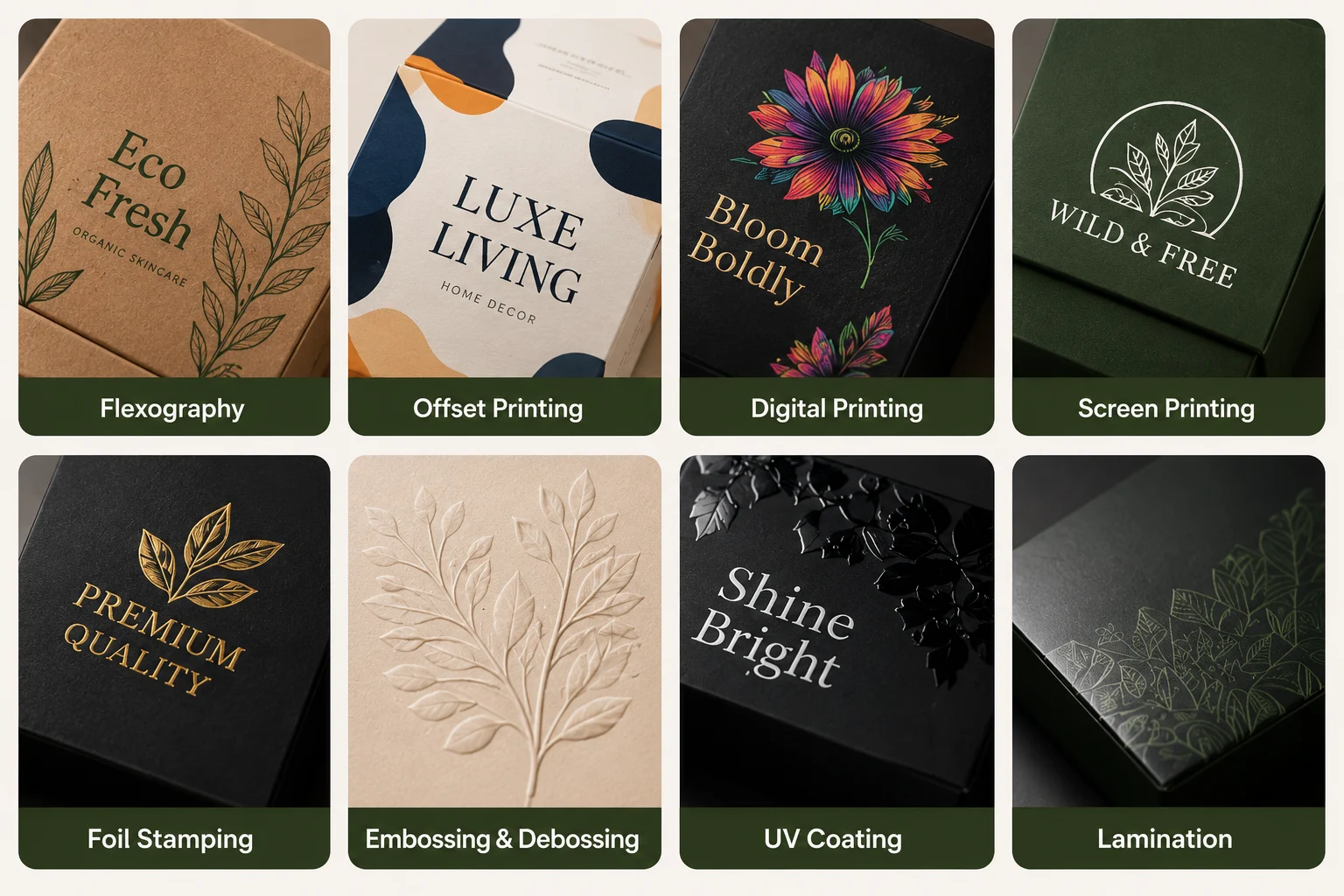
Printing quality directly affects packaging appearance. Here are the most common methods:
Digital Printing
Digital printing is great for custom designs. They offer vibrant designs, faster production, lower setup costs, and high-quality results. They are best used for small runs, quick turnaround, and startups.
Offset Printing
Offset printing is used for high-quality visuals, consistent colors, and cost-effective printing, especially in bulk orders. This type of printing is best for large wholesale orders.
Flexographic Printing
This method is fast and efficient for large-volume production. They are commonly used for mylar bags, flexible packaging, custom labels, and personalized bags.
Packaging Finishes That Elevate Branding
Finishes help packaging feel more premium and visually attractive. Popular finishing options brand owners choose for their custom boxes include:
- Matte coating
- Gloss coating
- Spot UV
- Embossing
- Debossing
- Foil stamping
- Soft-touch lamination
|
Tip: Matte finishes are currently trending because they create a softer, luxury-inspired appearance that many modern brands prefer in the U.S. |
Sustainability Is Reshaping Packaging Trends
Sustainability is no longer just a trend; it has become a major customer expectation. Many US consumers now actively look for recyclable packaging, biodegradable materials, FSC-certified paper, and especially minimal plastic usage. So, this is no longer an option. Using sustainable materials is now a necessity. Brands are responding by shifting towards Kraft packaging, paper tubes, recyclable mailers, and water-based inks for printing needs. Interestingly, sustainable packaging often improves brand trust because customers associate eco-conscious packaging with responsible businesses. So, choosing eco-friendly packaging is a smart choice in 2026 to enhance your product value and brand perception.
How the Custom Packaging Ordering Process Works
For businesses ordering custom packaging, especially secondary packaging and assembly, for the first time, the process can feel overwhelming. Here’s how it usually works for smooth secondary packaging operations.
Step 1: Share Product Requirements
The first step is to talk to a trustworthy and reliable packaging supplier. Contact their consultation team or in-house design team to provide your product details, dimensions, packaging type, or style you need as per your product or brand needs, minimum order quantity, and customized branding ideas.
Step 2: Select Material & Structure
After listening to your product and branding requirements, the consultation team of a secondary packaging services supplier will guide you through the right design recommendations, suitable materials, box styles, and printing options. Choose whatever seems right to you!
Step 3: Design & Artwork
Provide your official brand logo in PDF form or through Adobe; do not take it from our website or Google. That’s where most brand owners make a mistake. Moreover, provide the exact color code you need to add using Pantone Matching System (not pastel blue or dark green), and guide the packaging supplier regarding graphics and print layouts.
Step 4: Sampling
The next step is getting a sample to assess the quality of your custom box. Many companies offer digital mockups, 3D renders, and physical samples. Before finalizing your bulk order, ask your packaging supplier to provide you with 2D mockups, 3D mockups, or video mockups to check the color and print quality. For better satisfaction, request a physical sample. Hold your product, analyze it, test it, and then approve it,
Step 5: Production
After your design approval, the production team will start doing its magic. Bulk manufacturing always begins after approval. Don’t let any supplier scam you or overcharge you. Production usually takes 5-6 business days.
Step 6: Shipping & Delivery
After the production is completed, your finalized custom packaging boxes will be shipped to warehouses or business locations. From the production facility to your door, many suppliers offer both standard and express shipping, usually partnered with DHL, UPS, and FedEx Corp.
How Much Does Custom Secondary Packaging Cost?
Packaging costs vary depending on several factors. Many small businesses begin with simpler packaging and gradually upgrade as the brand grows. The biggest cost drivers include:
- Material type
- Box style
- Printing complexity
- Order quantity
- Finishes and add-ons
- Packaging dimensions
Generally:
- Simple kraft packaging costs less
- Rigid luxury packaging costs more
- Wholesale orders lower per-unit cost
Final Thoughts: Packaging Is Now Part of the Product
Modern businesses no longer treat packaging as an afterthought. Today, packaging influences first impressions, customer trust, brand recognition, social media visibility, and repeat purchases. Whether it’s a simple kraft mailer or a luxury rigid box with inserts, the right secondary packaging helps businesses create stronger customer experiences while protecting products effectively. And in competitive industries across the USA, that small difference can become a major competitive advantage.
HOF Pack Team
Custom Packaging Experts at HOF Pack