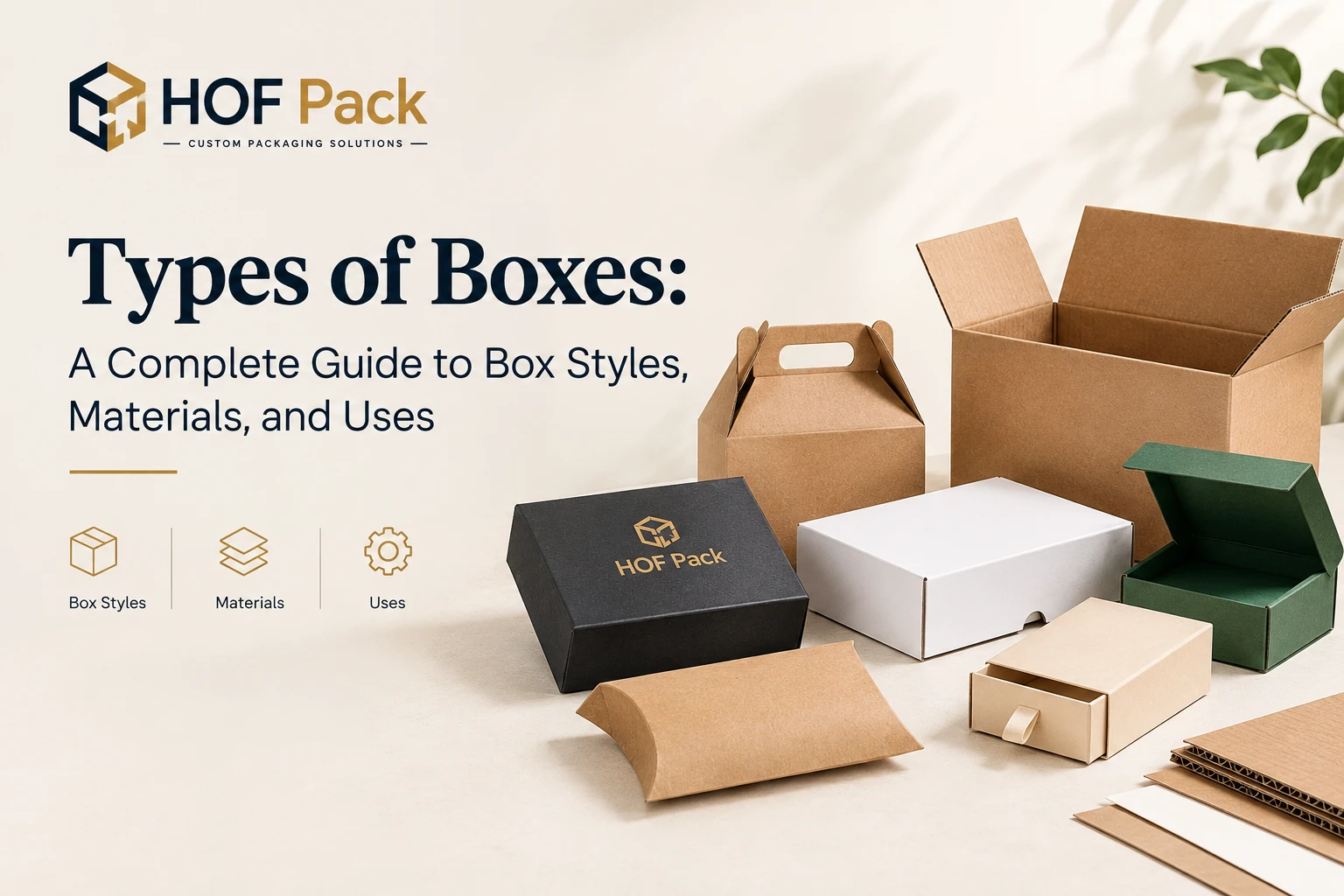
Choosing a packaging box for your product seems simple until you find dozens of options and decide which will suit the best. From tuck-top boxes to mailer boxes, rigid, kraft, etc., every choice is categorized by different structures, materials, and uses. The right box depends on the product's protections, its presentation, and the shipping costs.
What Are the Main Types of Boxes?
Packaging boxes come in various shapes and styles, most of which are grouped by how they are built and how they will function. Some boxes are designed mainly for shipping. Others are suitable for both shipping and display, and even you can use them as a gift box.
Here are some of the most common types of boxes:
|
Box Type |
Common Uses |
Main Benefit |
|
Mailer Boxes |
E-commerce, subscriptions, gifts |
Shipping and presentation in one box |
|
Shipping Boxes |
Shipping and storage |
Protection during transportation |
|
Folding Cartons |
Retail, cosmetics, food |
Lightweight and easy to print |
|
Tuck End Boxes |
Cosmetics, candles, retail products |
Simple opening and assembly |
|
Auto-Lock Boxes |
Candles, jars, heavier products |
Strong base and quick assembly |
|
Rigid Boxes |
Luxury goods, gifts, electronics |
Premium look and sturdy construction |
|
Two-Piece Boxes |
Gifts, jewelry, premium products |
Classic lid-and-base presentation |
|
Magnetic Boxes |
Luxury gifts, cosmetics, electronics |
Premium opening experience |
|
Sleeve and Tray Boxes |
Cosmetics, gifts, premium products |
Distinctive presentation |
|
Pillow Boxes |
Small gifts, jewelry, favors |
Unique shape |
|
Gable Boxes |
Bakery, events, favors |
Built-in carrying handle |
|
Window Boxes |
Food, gifts, candles |
Lets customers see the product |
|
Display Boxes |
Retail and countertop products |
Helps showcase the product |
These categories can overlap. For example, you can add a die-cut window in two piece box or autolock box. Additionally, the material and structure may also vary with the purpose and where it will be used.
Types of Boxes by Structure
The structure of a box shows how it folds, its seams, its closure, and how it will hold a product. You can understand this like any two boxes; they can be made with similar material, but they will act differently.
-
Mailer Boxes
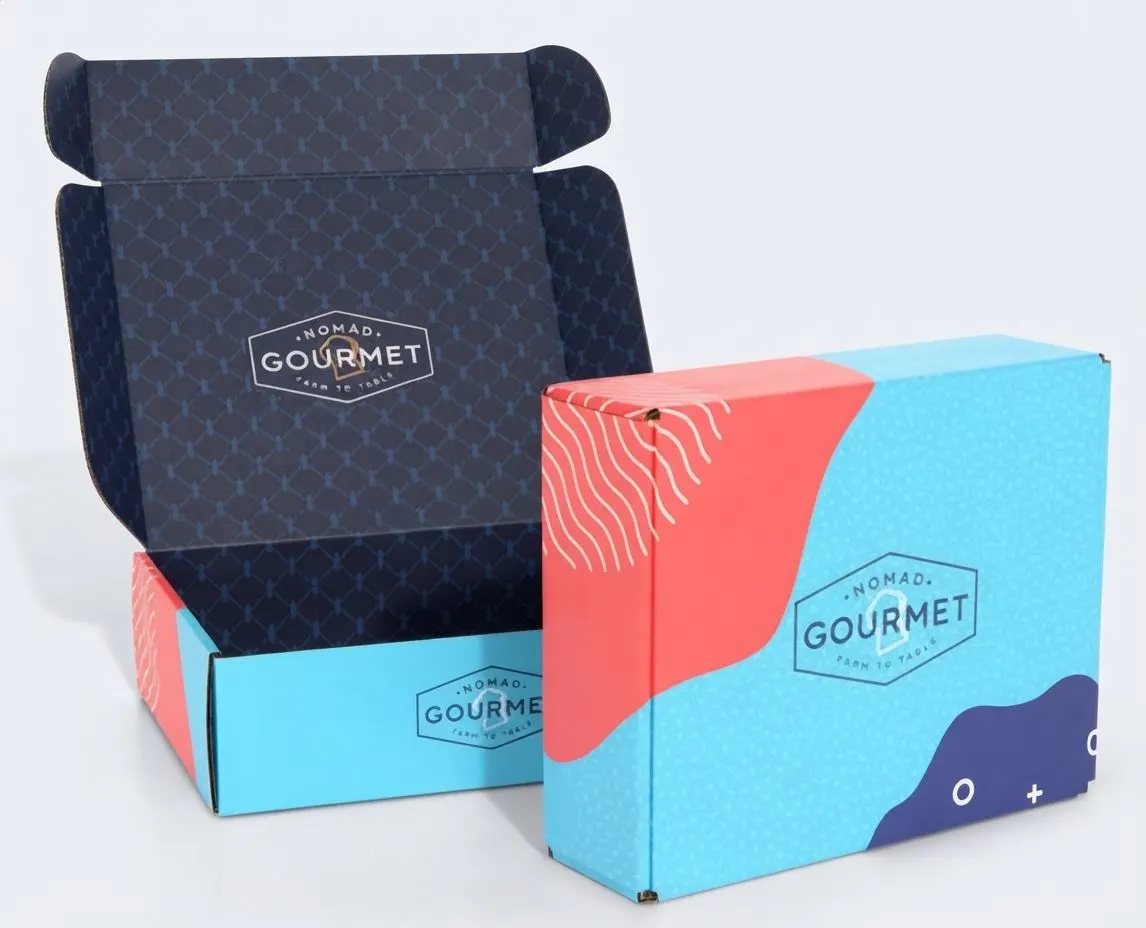
One of the most commonly used packaging styles is mailer boxes. These are designed mainly for shipping without needing a separate outer box in many applications. In some cases, there is no use of primary packaging at all, as mailer boxes can protect the product during shipping and also display it.
They usually have a hinged lid that folds over the product and dust flaps that go inside the box and help the box to keep its shape while securing the product completely.
Instead of receiving a plain shipping carton and then finding another product box inside, the customer can open a printed mailer box and see the product right away.
Mailer boxes can also include inserts, dividers, tissue papers, and other packaging fillers along with custom packaging cards that carry any brand information or a personalized message for the recipient.
What Are Mailer Boxes Used For, and How Much Do They Cost?
Being versatile and cost-effective, mailer boxes can be used for multiple purposes, and the price range of a plain corrugated mailer box starts at around $4–$5 per piece for very small orders. This cost may drop when the quantity is increased, or the cost may increase when the customizations are added. Its common uses are
-
E-commerce orders
-
Subscription boxes
-
Clothing
-
Cosmetics
-
Small electronics
-
Gifts
-
Product kits
-
Promotional packages
They work well for businesses that ship directly to customers and want the packaging to feel like a major part of the product experience.
Why Choose a Mailer Box?
A mailer box works like an all-around by giving you a balance between protection, branding, and convenience. You can customize its size, shape, material, interior, and exterior with your logo, colors, artwork, or product information.
They are also relatively easy for customers to open because the box is designed around a built-in closure rather than requiring extensive adhesives. Additionally, mailer boxes can be shipped flat and assembled at the point of sale.
-
Shipping Boxes
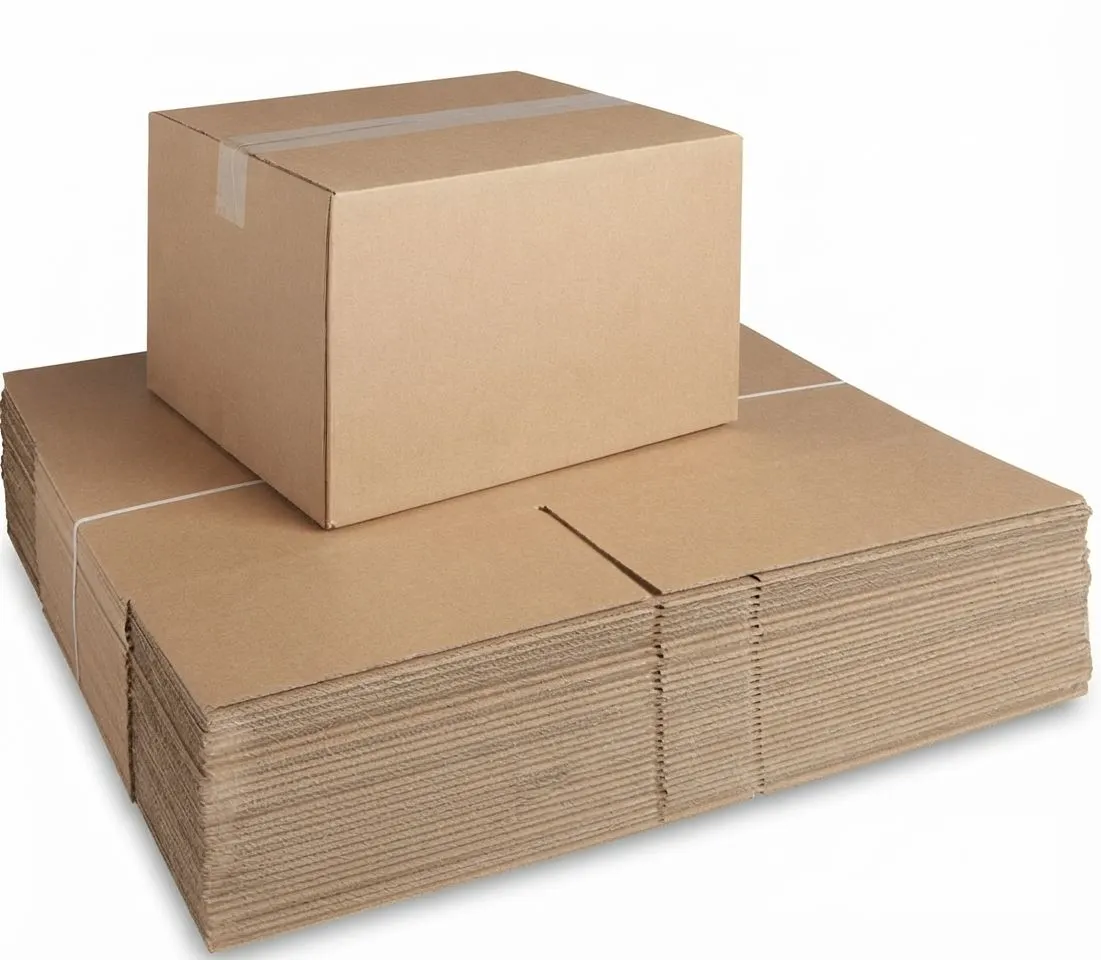
Shipping boxes, or we can say shipping cartons, are used primarily for protection and transportation of products.
The familiar rectangular shape that we see in everyday shipping, like Amazon deliveries, is the most common version of shipping boxes.
It can be sealed with packaging tape and stacked for storage or transportation. They are also popular because of their non-bendable nature.
Unlike a mailer box, a standard shipping box does not necessarily focus on the customer’s experience. Its main job is to get the contents from one location to another safely. It also acts as a tertiary packaging that carries the primary and secondary packaging in bulk.
What Are Shipping Boxes Used For, and How Much Do They Cost?
A plain corrugated shipping box that has no print or customization can cost anywhere between $0.35 and $0.60 at 250–999. A medium 12×9×6 box is roughly $0.55–$0.88 at 250–999. It varies according to the customizations and quantity you need, and its common uses are
-
E-commerce fulfillment
-
Warehousing
-
Bulk shipments
-
Heavy products
-
Large products
-
Long-distance shipping
-
Storage and distribution
Shipping boxes are typically made from corrugated board because its fluted and linerboard structure makes it strong and lightweight, which is ideal for rough handling and long-distance transit.
Shipping Box vs. Mailer Box
The easiest way to memorize the difference between shipping boxes and mailer boxes is to think about their purposes.
A shipping box is usually protection first and carries primary or secondary packaging, while a mailer box is more concerned about the customer experience as soon as the package arrives.
-
Folding Carton Boxes
Folding cartons are lightweight boxes usually made from paperboard or what we call cardboard in the market.
They are supplied flat and folded into their final shape when they are ready to use. With appropriate die cuts and scores, folding cartons can be assembled easily without any extra glue or tape. You see them every day in stores.
From cosmetics, soaps, food, supplements, candles, and many other consumer products, they are used extensively for retail purposes.
What Are Folding Cartons Used For, and How Much Do They Cost?
As the folding cartons are versatile, their average cost is low compared to other types of packaging. It starts from $0.38–$0.72 at 500 units, $0.28–$0.52 at 1,000, and $0.15–$0.38 at 5,000.
This figure varies with the customization you do to your packaging. As soon as the customization increases, the cost of the boxes also increases regardless of its delivery cost. Its common uses are
-
Cosmetics
-
Skincare
-
Soap
-
Food products
-
Supplements
-
Candles
-
Small electronics
-
Personal care products
-
Retail goods
Why Are Folding Cartons Popular?
One of the most significant reasons behind its popularity is its printable surface. A folding carton can carry the artwork and product information or branding details without requiring a separate label.
Anything printed on it looks professional and crisp. They also arrive flat, which can make storage easy before they are assembled.
-
Tuck End Boxes
Tuck-end boxes are a type of folding box that uses flaps that can be tucked into the interior of the box to create a secure closure.
They are one of the most common choices for small and medium-sized retail products because they have straightforward assembly and give a clean appearance. There are several variations of tuck-end boxes; some of the common ones are
-
Straight Tuck End Boxes
In a straight tuck end box, the top and bottom flaps tuck in the same direction.
This can create a clean front panel, making it useful when the front of the package needs to display a logo, product name, or other important information.
Straight tuck-end boxes are often used for products such as cosmetics, candles, soap, and small retail items.
-
Reverse Tuck End Boxes
Reverse tuck end boxes have top and bottom flaps that tuck in opposite directions. This structure can make efficient use of paperboard and is commonly used for lightweight retail products.
The choice between straight and reverse tuck construction depends on the product, desired appearance, opening style, and how the box will be packed.
What Are Tuck End Boxes Used For, and How Much Do They Cost?
Tuck boxes are cost-effective, and their average cost starts at $1.35–$4.05 for 100 tuck-end boxes and $0.72–$2.25 for 500, and these boxes are commonly used for
-
Cosmetics
-
Candles
-
Soap
-
Supplements
-
Small electronics
-
Food products
-
Retail products
-
Promotional items
As the customization options increase, so do the costs.
-
Auto-Lock Bottom Boxes
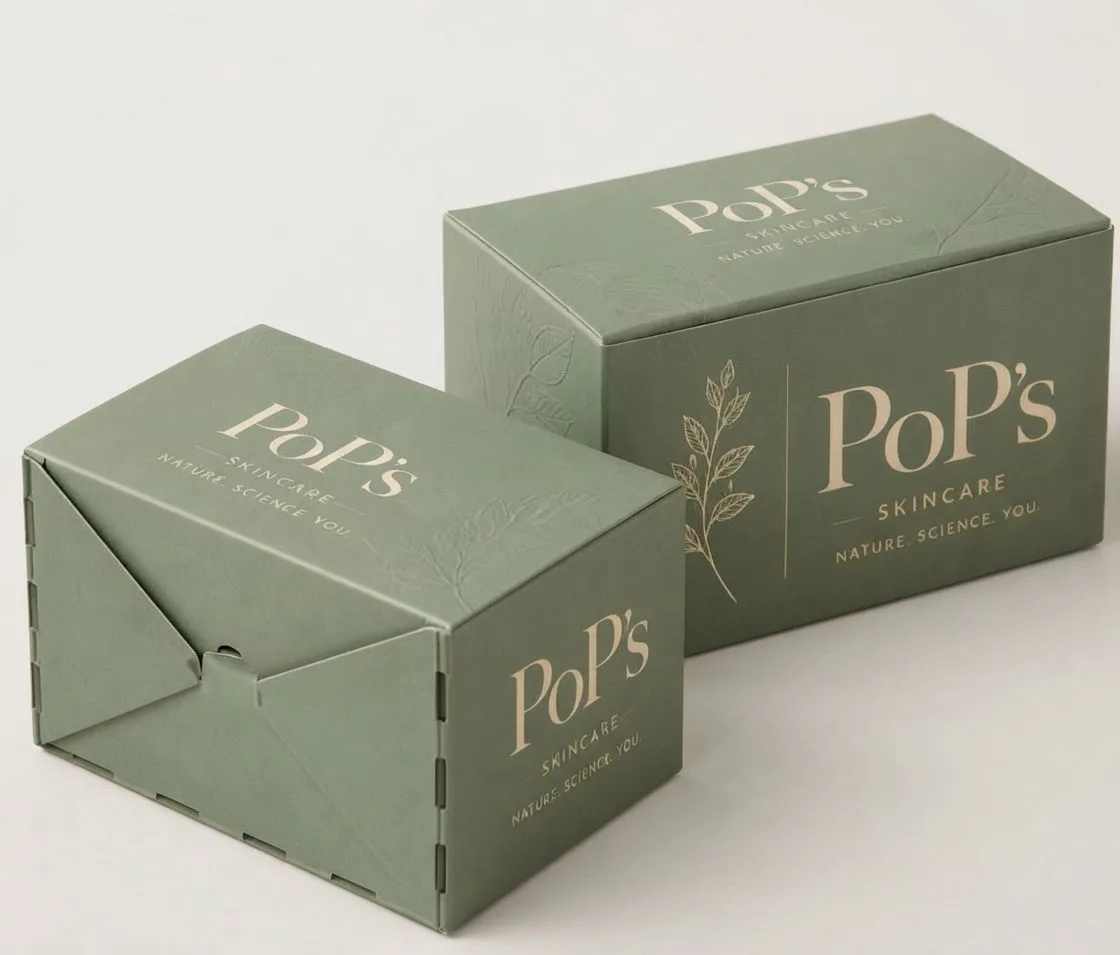
Auto-lock bottom boxes are designed with a base that locks into place when the box is opened and assembled.
This makes them particularly useful when you need to pack a large number of products and want to reduce the time spent manually forming each box.
The locked bottom also gives the box a more supportive base than some simpler folding structures.
What Are Auto-Lock Boxes Used For?
They are commonly used for:
-
Candles
-
Jars
-
Bottles
-
Cosmetics
-
Food products
-
Heavier retail products
-
Products that need a stronger bottom
Auto-Lock vs. Tuck End Boxes
The main difference between auto-lock and tuck end boxes is their bottom structure. A basic tuck end box generally has bottom flaps that are folded inward.
Whereas an auto-lock design forms a locked bottom when the box is assembled. If fast packaging and a supportive base are important, an auto-lock structure can be worth considering.
-
Rigid Boxes
Rigid boxes are made from thick, sturdy paperboard that can hold heavy and fragile items. These boxes are considered a luxury statement that does not lose their shape easily.
Rigid boxes or sturdy boxes are commonly used when the packaging itself is a marketing tool.
What Are Rigid Boxes Used For, and How Much Do They Cost?
An average rigid box with minimal customization and printing costs around $15–20 per piece. When you increase the customization, the cost goes up as rigid boxes are made to order. However, the bulk pricing will decrease the per-piece cost. Its applications are
-
Jewelry
-
Watches
-
Luxury cosmetics
-
Electronics
-
Premium candles
-
Gift sets
-
Corporate gifts
-
High-end retail products
Why Do Brands Use Rigid Boxes?
A rigid box can make a product feel premium and high-end from the moment the customer picks it up. The box creates a neat presentation as soon as the product is revealed.
For products where packaging is a part of the buying experience, this type of box is the perfect choice rather than choosing the least expensive option.
Rigid Boxes vs. Folding Cartons
The main difference is the construction and intended use. A folding carton is lightweight and folds into shape. A rigid box uses much thicker board and maintains its structure.
A folding carton is often a practical choice for everyday retail packaging.
A rigid box is considered the best suited where the branding starts the moment the customer picks up the product. They feel the aesthetics, and the overall presentation of the packaging communicates the value of the product.
-
Two-Piece Boxes
A two-piece box consists of a separate lid and base. Instead of opening with a hinged flap, the customer lifts the lid away from the bottom section.
This gives the box a classic presentation and works particularly well for gifts and products that benefit from a more deliberate unboxing experience.
What Are Two-Piece Boxes Used For?
They are commonly used for:
-
Gift sets
-
Jewelry
-
Apparel
-
Cosmetics
-
Food gifts
-
Corporate gifts
-
Premium products
The inside can also be fitted with a custom insert to hold one product or several products in place.
-
Magnetic Closure Boxes
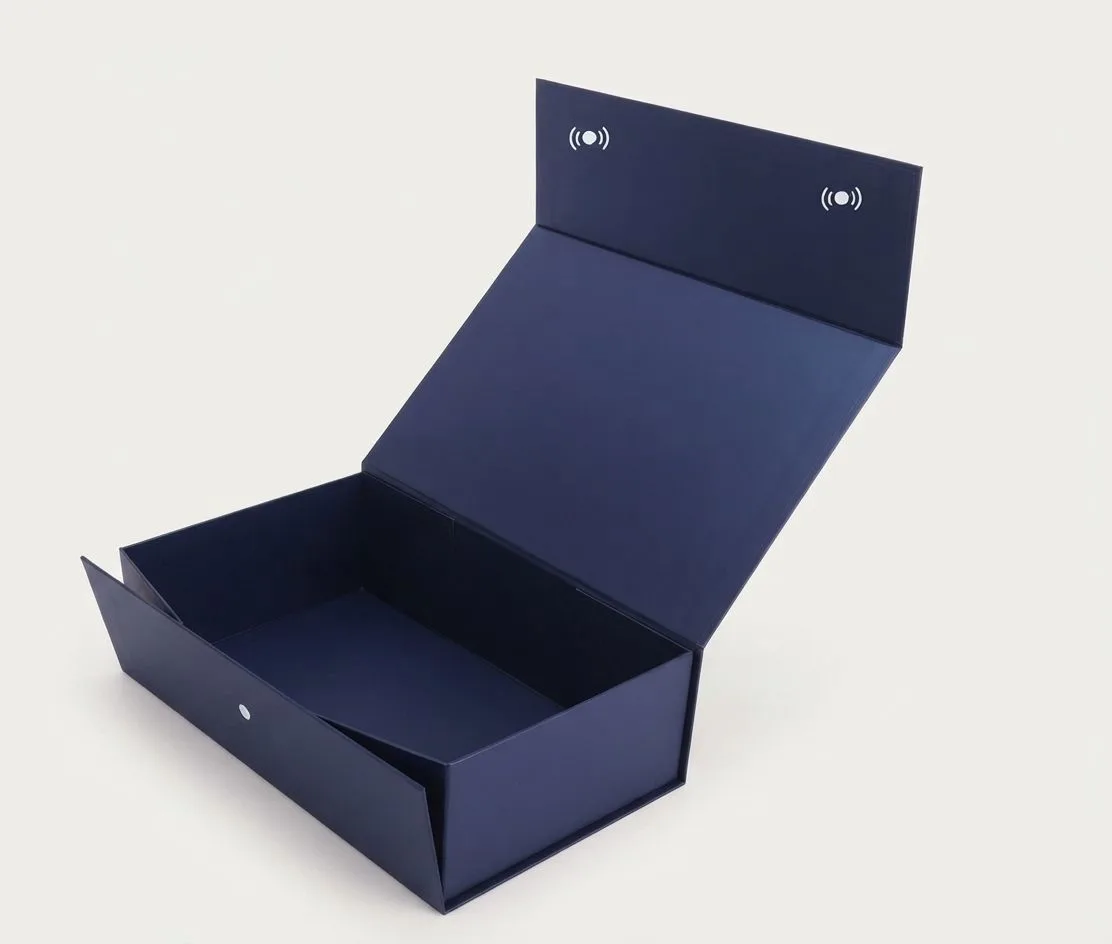
Magnetic closure boxes have a built-in magnet in the lid that closes the box with a snap. They are usually selected for presentation rather than simple transportation.
Opening the box feels different from opening an ordinary carton because the opening and closing are smooth while the box retains its shape.
Magnetic closure boxes use magnets built into the lid or closure to keep the box shut.
They are usually selected for presentation rather than simple transportation.
Opening the box feels different from opening an ordinary carton because the lid can open smoothly while the box retains its shape.
What Are Magnetic Boxes Used For, and How Much Do They Cost?
As the magnetic closure box falls in the category of luxury packaging, a standard 6" × 6" × 3" rigid box is at about $5–$8 at 1,000 units, with magnetic closure adding roughly 25–40%, bringing the magnetic version to about $6.50–$1. It works well for luxury gifts, jewelry, premium cosmetics, electronics, etc.
-
Sleeve and Tray Boxes
A sleeve and tray box have two parts. The tray holds the product, and the sleeve slides over the tray and acts as the outer packaging.
This mechanism gives you two different areas to work with and ample space for your branding. The tray focuses on holding and presenting the product, while the sleeve can carry branding and information.
What Are Sleeve and Tray Boxes Used For and Their Average Cost
The average cost per piece of a sleeve and tray box depends on the type of material. For cardboard, the cost will be different and comparatively lower than the cost of a sleeve and tray in rigid material. Its common uses are
-
Cosmetics
-
Candles
-
Jewelry
-
Gift sets
-
Premium products
-
Small accessories
They are especially useful when you want something more distinctive than a standard folding carton without moving entirely into a complicated box structure.
-
Pillow Boxes
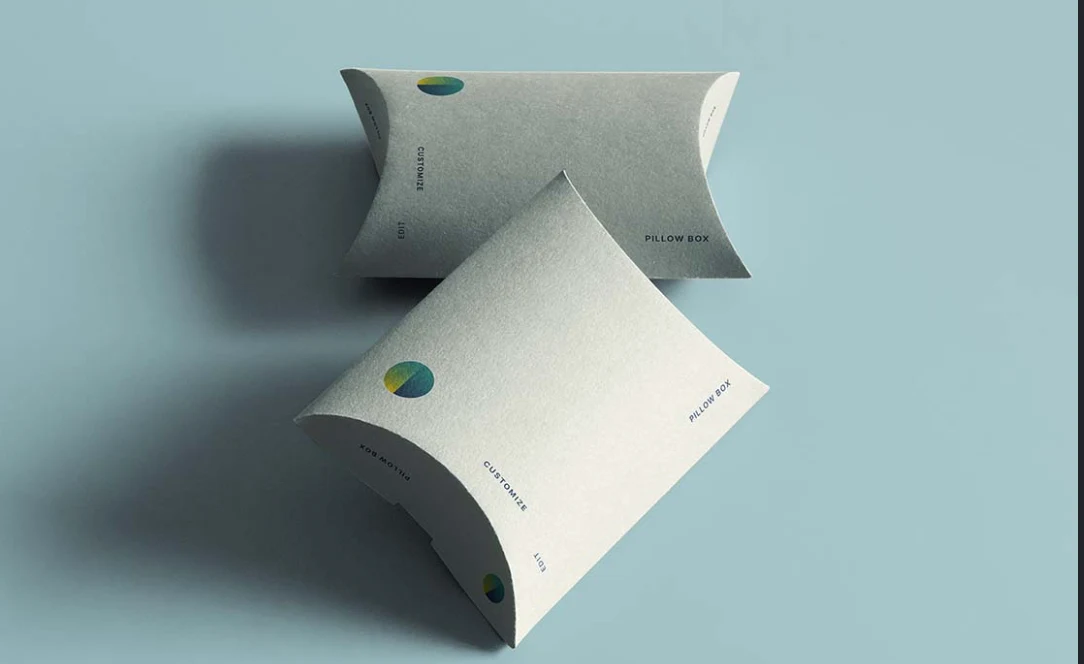
Pillow boxes have curved sides that give them their distinctive pillow-like appearance. Their shape makes them stand out from standard rectangular packaging, which is why they are often used for smaller products, favors, and gifts.
What Are Pillow Boxes Used For and Their Average Cost?
At an order quantity of 100 units, the average cost is approximately $1.50 per piece, and it's commonly used for small favors, jewelry, wedding treats, gift cards, and other accessories.
They are a good choice when the packaging itself needs to add some visual interest without requiring a complicated structure.
-
Gable Boxes
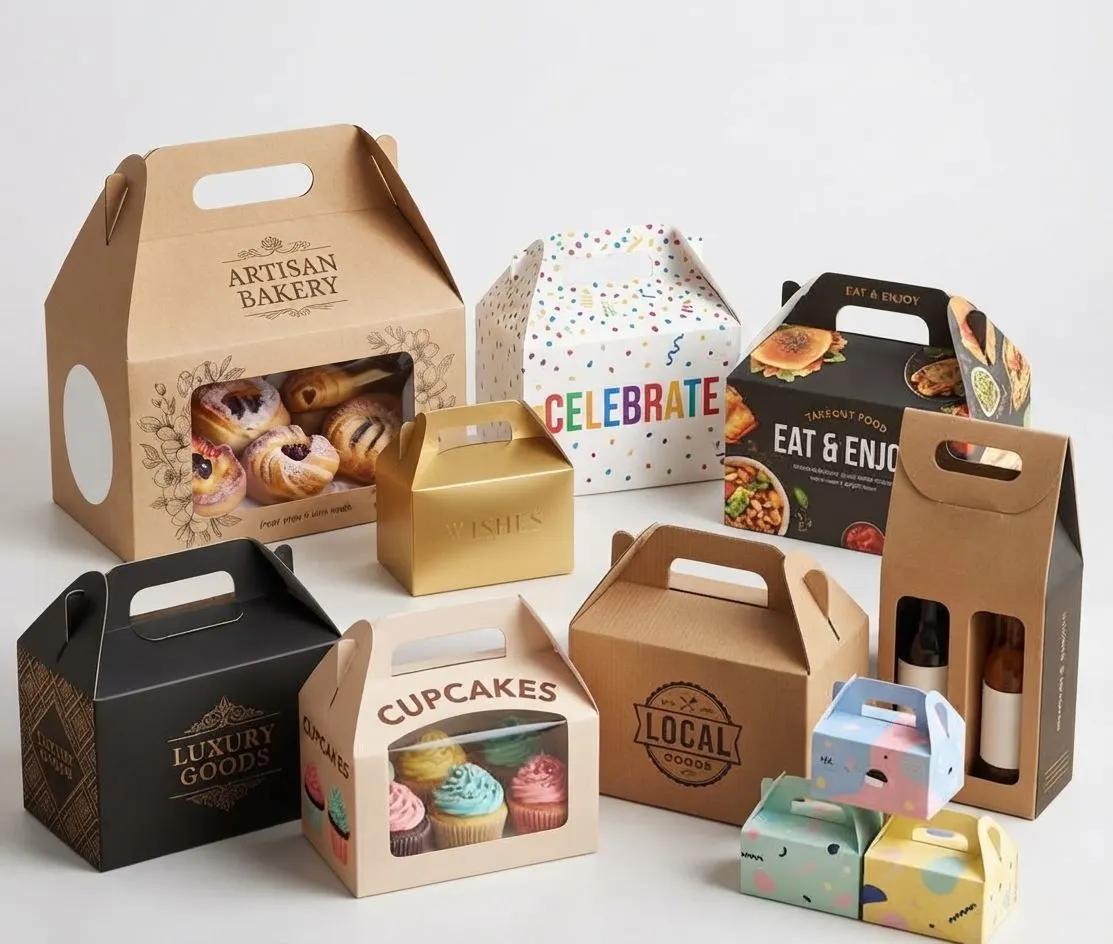
Gable boxes have a built-in handle at the top. Its roof-like structure makes it different from other boxes. Instead of simply holding the product, it has made the carrying of the product easier. Their unique shape also works naturally for celebrations, events, and take-home products.
What Are Gable Boxes Used For?
They are commonly used for:
-
Bakery items
-
Treats
-
Party favors
-
Wedding favors
-
Event giveaways
-
Small gifts
-
Take-home products
For example, a bakery can use a gable box for treats that customers are taking home after an event.
The built-in handle removes the need for a separate bag and gives the packaging a more gift-like appearance.
-
Display Boxes
When you need a box to showcase your products on the front, and hold them in an organized manner, display packaging boxes are the best choice. Their open sections, cutouts, windows, or other features make the product easier to see and observe.
They are particularly useful in retail environments where the package needs to attract attention from a shelf, counter, or display area.
What Are Display Boxes Used For?
They can work well for:
-
Snacks
-
Cosmetics
-
Small accessories
-
Stationery
-
Promotional products
-
Seasonal products
-
Countertop products
The goal is simple: the packaging should help the customer notice and understand the product.
Different Types of Box Materials
Another aspect on which the boxes can be differentiated is their material. The structure tells you how the box is built, and the material tells you what this box is made from.
For example, a mailer box can be made from kraft material, and a corrugated box can also use kraft paper as its liner. The most common materials include paperboard, kraft paper, corrugated board, and rigid board.
Paperboard Boxes
Paperboard is a lightweight material commonly used for folding cartons and retail packaging. It provides a smooth surface for printing and is suitable for many products that do not require the heavy-duty protection of a shipping carton.
They are commonly known by the name of cardboard boxes in the market and seen everywhere in our daily lives. From cereal boxes to serums, food, milk cartons, etc.
Kraft Boxes
A kraft box is a box made from kraft paper or kraft paperboard. It is usually brown or natural-looking, although kraft material can also be bleached and produced in white.
Kraft boxes are popular because they offer a simple, natural appearance while still providing useful strength. Their earthy appearance and textured surface make them a preferred choice for the products that say "natural," "organic," "handmade," or "eco-friendly."
Corrugated Boxes
Corrugated boxes are made from multiple layers of paper. A fluted layer sits between outer sheets of paperboard.
This layered construction gives the box additional strength and helps it handle the weight of heavier products. Corrugated boxes have further types that are based on the number of layers
-
Single-wall corrugated has one fluted layer between two liner boards.
-
Double-wall corrugated has two fluted layers separated by an additional liner board. It provides more strength and cushioning for heavier or more fragile products.
-
Triple-wall corrugated has three fluted layers and four liner boards. It is used when packaging needs to withstand heavier loads, rough handling, or demanding transportation conditions.
How to Choose the Right Box for Your Product
Choosing a box for your product seems simple. People who are not aware of the right packaging factors assume that they can use any type of box for their product. Afterwards, they face a lot of issues. Here are some serious considerations for choosing the right box.
-
Consider the weight and size of your product
-
Consider how fragile the product is
-
Consider how it will be shipped
-
Consider its presentation
-
Consider your budget and order quantity
-
Consider the space inside the box
-
Consider adding inserts and other fillers
HOF Pack Team
Custom Packaging Experts at HOF Pack