1. Introduction:
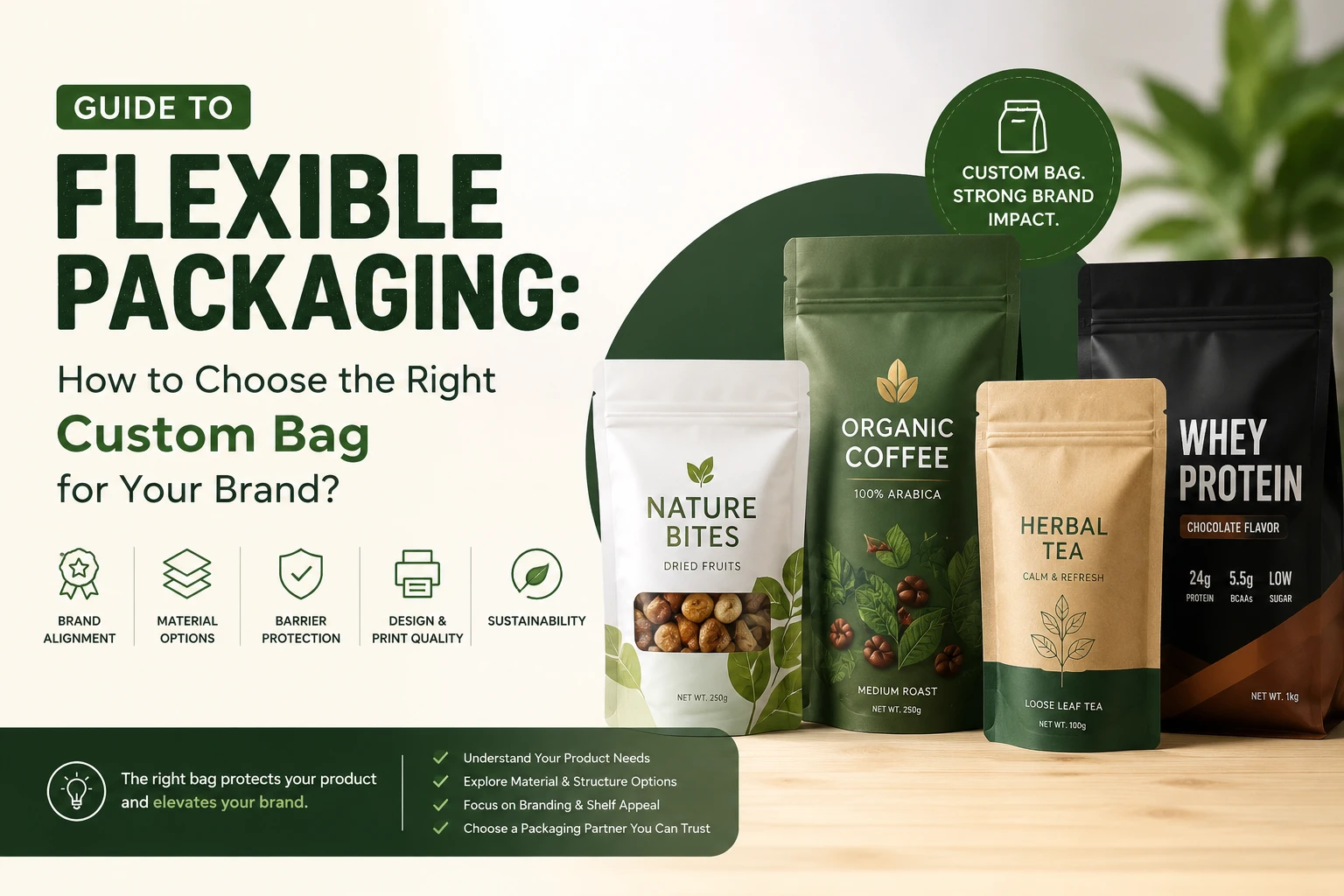
Walk into any retail store, grocery shop, cosmetic brand outlet, or smoke shop in the USA, and you will notice one thing instantly: flexible packaging is everywhere. From coffee bags and stand-up pouches to CBD mylar bags and resealable snack packaging, modern brands are moving toward flexible packaging that is lightweight, functional, visually appealing, and cost-effective. But here’s the catch. Not every custom bag works for every product.
That’s where HOF Pack comes in.
A coffee brand needs freshness & protection. A skincare brand focuses more on aesthetics. Food businesses prioritize high-barrier film protection and shelf life. Meanwhile, e-commerce brands look for lightweight and affordable shipping solutions. That’s why choosing the right flexible packaging matters.
In this guide, we’ll walk you through different types of flexible packaging bags, material options, printing styles, how to choose the right pouch style, what the recent sustainability trends are in the packaging industry, cost considerations, and, obviously, some valuable tips for creating custom packaging that customers actually remember. Let’s get into it.
2. What is Flexible Packaging?
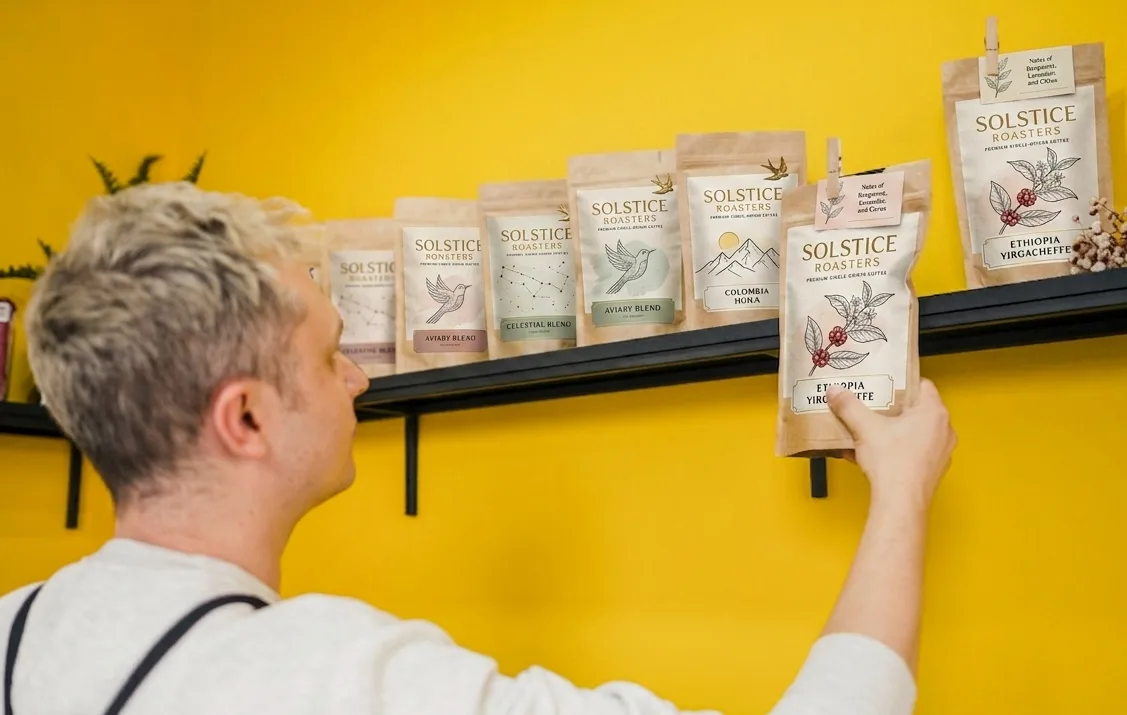
Flexible packaging refers to a style of packaging made from flexible materials, such as plastic films, kraft paper, foil, polyethylene, aluminum/BoPET lining, or laminates that can easily bend, fold, or reshape into different designs. Unlike rigid boxes or glass containers, flexible packaging is lightweight, compact, and easier to transport.
Some of the most common examples include stand up pouches, lay flat mylar bags, coffee bags, flat pouches, ziplock mylar bags, spouted pouches, gusseted bags, vacuum seal mylar bags, and sachets (or 3 mm mylar bags).
Today, flexible packaging is used across a wide range of industries. Name any industry, and you will get to know that each one of them is relying on flexible packaging. Be it the food and beverage industry, coffee packaging, cosmetic bags, CBD mylar bags, pet food bags, supplements, retail and e-commerce, or even the frozen foods industry, it uses mylar pouches and custom bags.
3. Why Are Brands Shifting Toward Flexible Packaging?
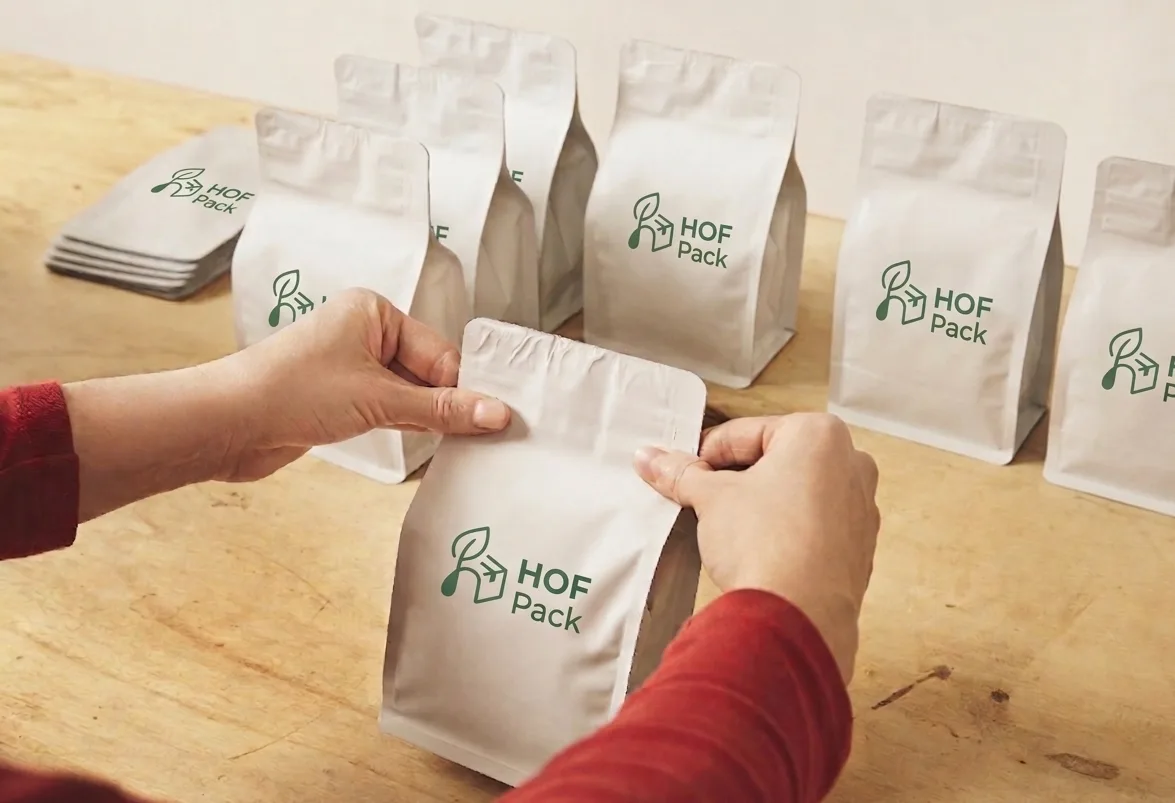
One of the major reasons why flexible packaging, i.e., mylar pouches and custom bags are very common among retail and e-commerce brands in the United States is that it often reduces transportation costs to almost nothing because they are shipped flat, take up less storage space, and weigh significantly less than rigid packaging.
However, the packaging industry in the USA has changed a lot over the past few years. Modern customers do not only need a bag, but they also want convenient packaging, better product freshness, enhanced product shelf life, easy storage, an organized look, eco-conscious packaging solutions, attractive designs, and resealable functionality.
And you know what? Flexible packaging checks almost all these boxes. That is exactly why brands love it and use it for bulk packaging. Here are the benefits of using flexible mylar pouches.
Lightweight & Shipping-Friendly
Flexible bags weigh less than rigid packaging. They have a flat surface, which allows them to ship flat and significantly lower the shipping costs, especially for e-commerce brands. For high-traffic industries and online businesses or startups, flexible packaging is ideal to use.
Better Shelf Appeal
Custom printing and premium finishes make pouches visually attractive on retail shelves. The structure of stand up mylar pouches allows them to stand tall in front of competitors on those busy retail shelves. It is ideal to use for coffee and gourmet tea brands looking to upscale their packaging.
Functional Features
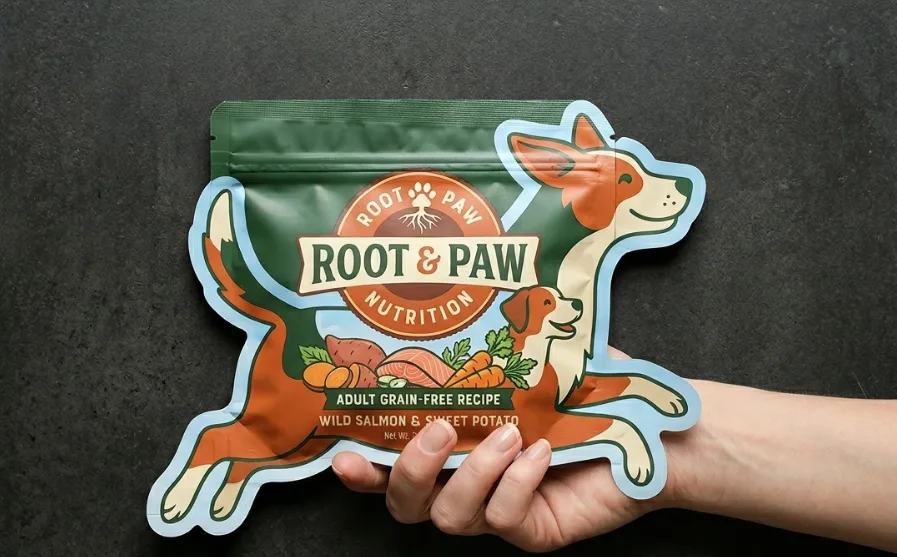
These bags are not just pretty; they are functional as well. Modern Secondary Packaging includes additional features to enhance the convenience and ease of use for customers. You can add multiple features like: zippers, zip locks, tear notches, degassing valves, child-resistant closures, die cut window cut-outs, and hang holes for better usability and increased shelf life of the product.
Longer Shelf Life
Last but not least, mylar bags also increase the shelf life of your products. Research shows that a mylar pouch can increase your product’s shelf life up to 25 to 30 years, especially when combined with oxygen absorbers and kept in cool, dark storage. High barrier aluminum/BoPET inner lining films help protect products from moisture, air, oxidation, UV exposure, excessive heat, and any sort of contamination.
4. Different Types of Flexible Packaging Bags
One of the biggest mistakes brands make is choosing packaging only because it “looks good.” The right packaging should match product type, storage needs, retail environment, customer convenience, and shipping requirements. Here are the most popular flexible packaging styles used by brands in the USA.
Mylar Bags
Many brands choose custom printed mylar bags because of their premium retail appearance. Mylar bags are highly durable pouches known for their strong barrier protection. They help preserve freshness and reduce odor leakage, making them the best mylar bags for food storage. They are commonly used for:
- CBD products
- Coffee
- Edibles
- Herbs
- Snacks
Stand Up Pouches
Stand-up pouches are one of the most widely used flexible packaging solutions today. These pouches stand upright on shelves because of their bottom gusset structure. Brands prefer them for their great shelf visibility. Their upright structure quickly grabs the attention of customers. Moreover, they are lightweight, easy to reseal, provide great shelf visibility, and offer a premium experience. These custom pouches are best for:
- Coffee
- Snacks
- Supplements
- CBD products
- Protein powders
- Pet treats
Flat Pouches
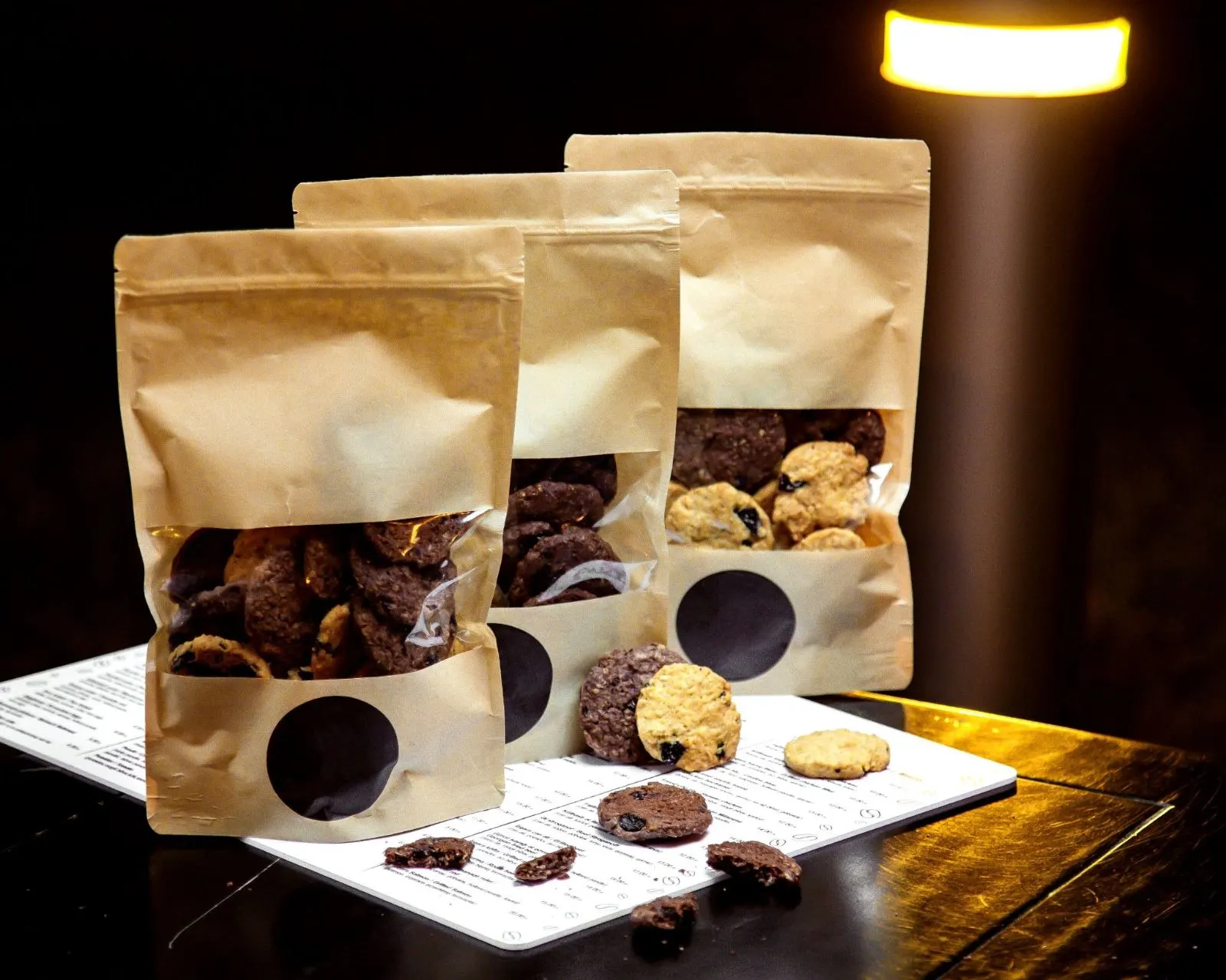
Lay Flat pouches are compact packaging solutions often used for single-use or sample products. They are affordable and ideal for brands looking for minimal packaging costs. Their high-barrier protection makes them perfect for food storage because they are smell proof mylar bags and can be resealed as well. They are best for:
- Sample products
- Spices
- Trial packs
- Cosmetics
- Small food items
Side Gusset Bags
These Gussetted bags expand from the sides, offering more storage space. They usually work well for larger quantities and wholesale packaging in retail environments. You’ll often see them in:
- Coffee packaging
- Bulk food packaging
- Tea packaging
Spouted Pouches
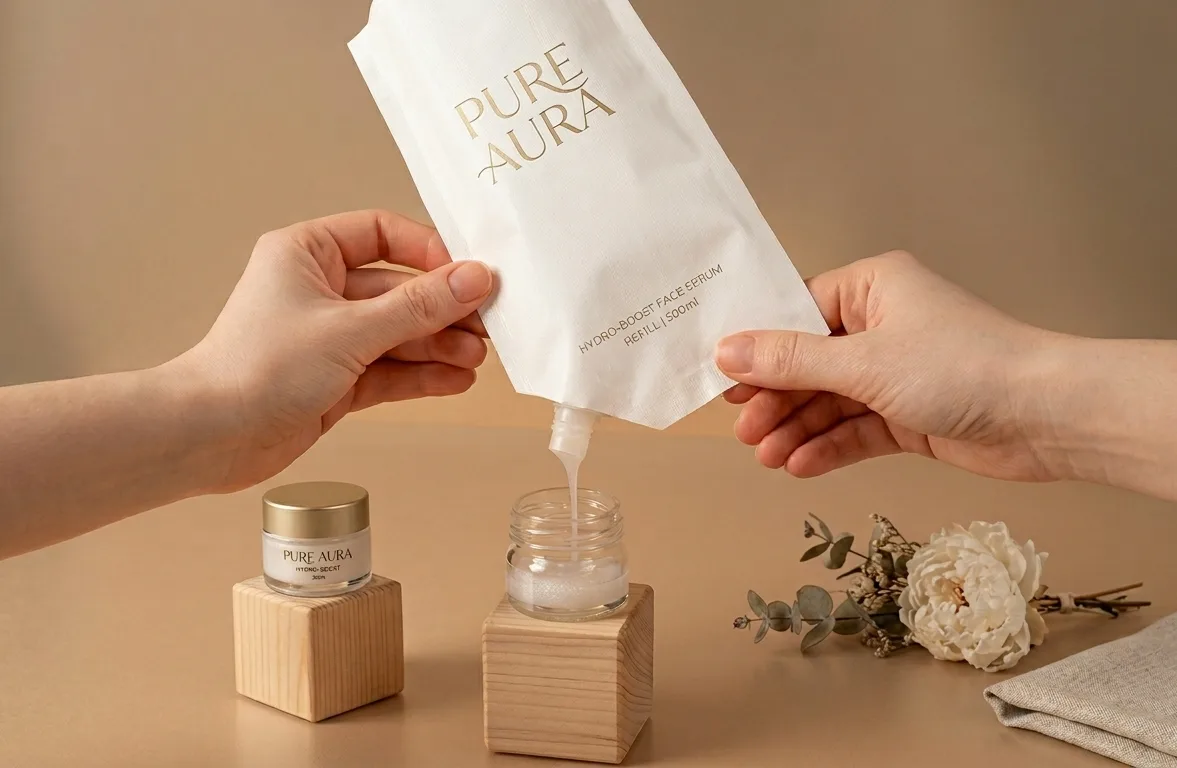
Spouted pouches include a cap or nozzle for controlled pouring. They usually hold the liquid or semi-liquid products, protecting them from external contamination, enhancing their visibility, and allowing them to be poured once you squeeze the pouch. They also improve customer convenience, allow refilling, and reduce packaging waste. They are commonly used for:
- Liquid products
- Sauces
- Baby food
- Beverages
- Skincare products
Resealable Ziplock Bags
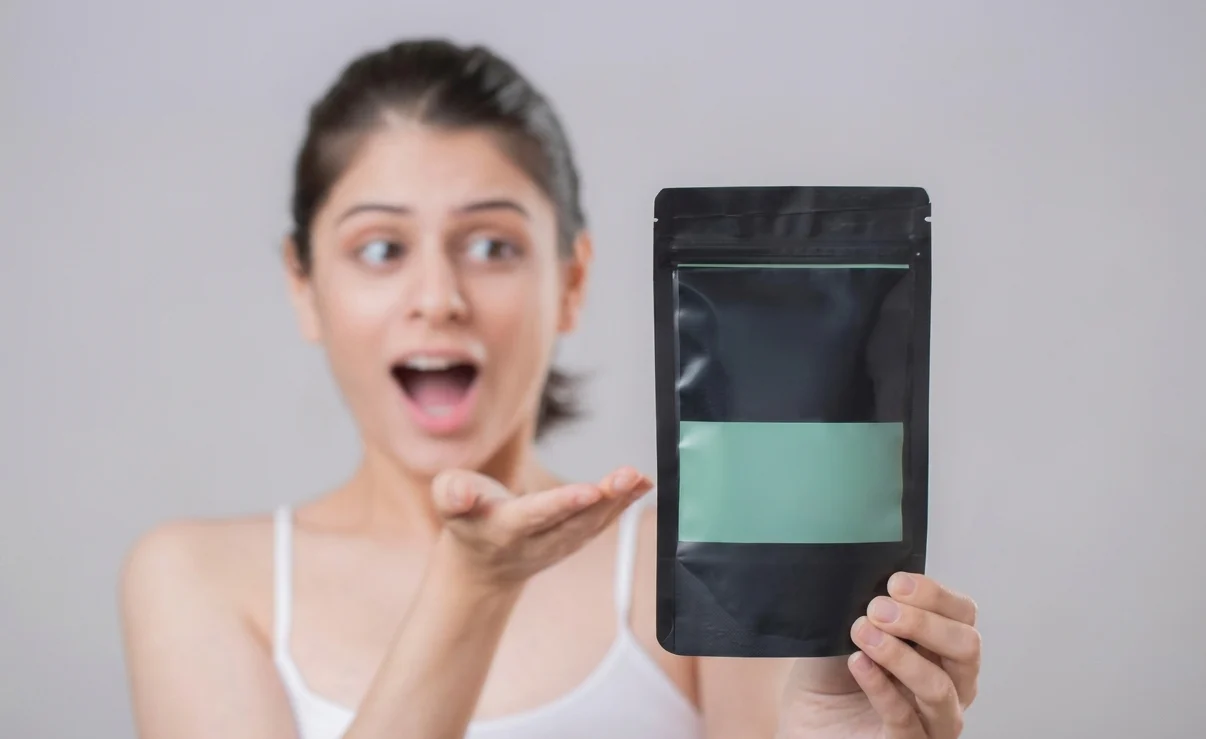
Customers love convenience. That’s why resealable ziplock pouches exist, to be honest. They remain one of the most popular flexible packaging options today because of their resealability feature, which helps maintain product freshness even after opening the package for a long time. They are perfect for:
- Snacks
- Gummies
- Coffee
- Pet food
- Supplements
Kraft Mylar Bags
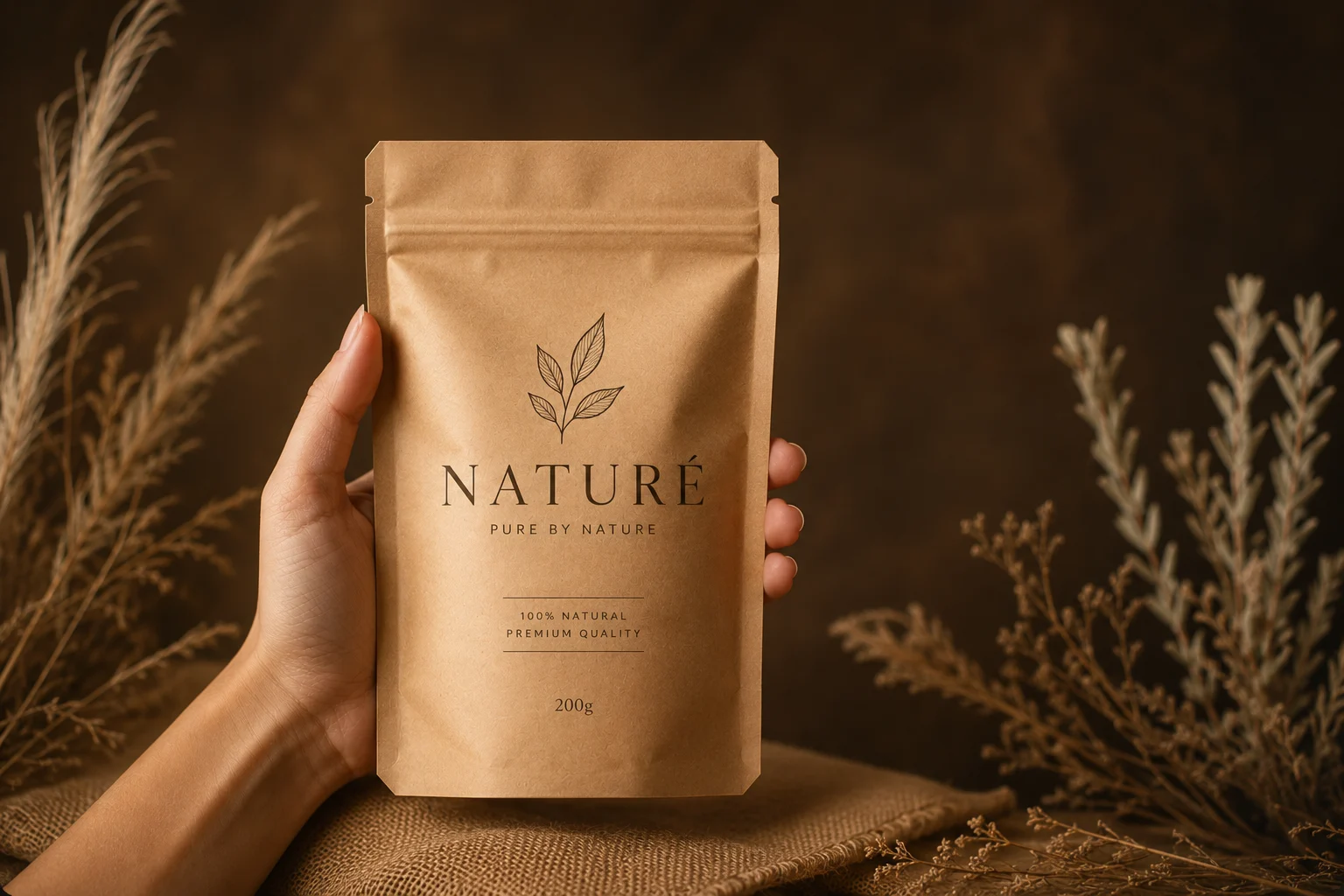
Kraft Mylar bags are the perfect blend of eco-friendly packaging and high-barrier film protection. Instead of multiple layers of plastic, this type of packaging has aluminium films inside to protect the products from UV exposure, unnecessary odors, moisture, and oxidation through air. Whereas the outer layer is made of kraft paper to create a sustainable look & feel for eco-conscious brands. These bags are perfect for:
- Food products
- Dried items
- Gourmet coffee and tea brands
- Eco-friendly packaging
- Home-based businesses
- Bakery items
- Organic brands
Mylar Bags With Window
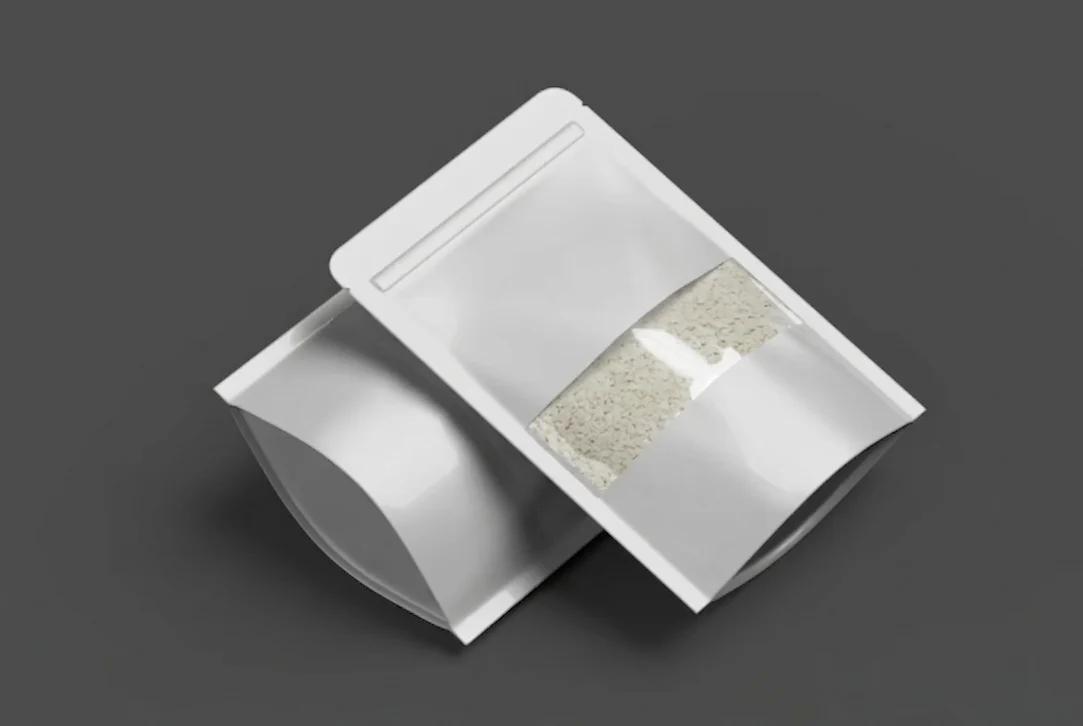
Custom Mylar bags with window have a die cut transparent film attached to the front of the bag to create a window like appearance. These bags allow improved product visibility and enhanced shelf appeal of your products, perfect for busy retail environments. They are best used for:
- Gummies
- CBD products
- Food brands
- Small retail items
5. How to Choose the Right Flexible Packaging for Your Product?
Now comes the real question. How do you actually choose the right custom bag? That’s where most of the brands suffer, especially small businesses and new startups. Launching a new business, working on the website optimization, pitching sales, product hunting, and whatnot. Choosing the right packaging is only an added hassle. That is why we have explained to you the most important factors to consider while choosing the right custom bag and pouch for your brand:
Step 01: Understand Your Product Requirements
Start by asking:
- Does the product need moisture protection?
- Is oxygen exposure a concern?
- Will the product sit on retail shelves?
- Is odor protection necessary?
- Will customers reuse the packaging?
For example, fresh coffee requires degassing valves and barrier protection, while bakery packaging may prioritize presentation more than shelf life. Understand your product’s needs first and then make a decision.
Step 02: Think About Your Customer Experience
Packaging is no longer just about storage. Customers now judge products based on:
- Unboxing experience
- Ease of use
- Portability
- Design aesthetics
Therefore, the next step is to create an experience for them. Don’t make bags that they will just throw away. Add functional features so that your custom bag gets valued, and customers reuse it for different purposes. You can add a resealable zipper for ease of use, and you can add a matte finish for aesthetics. These may seem like small details, but they can completely change customer perception.
Step 03: Match Packaging With Retail or E-Commerce Needs
Retail packaging focuses heavily on:
- Shelf appeal
- Visibility
- Branding
On the other hand, e-commerce packaging focuses more on:
- Durability
- Lightweight shipping
- Product protection
The ideal packaging usually balances both. It's better to incorporate both features because many DTC brands have both retail outlets and online stores. So, balancing both audiences’ needs is important.
Step 04: Choose the Right Materials For Your Flexible Packaging
The material you choose impacts your product protection, sustainability needs, printing quality, and even the packaging cost. So choose the material wisely. Here are common flexible packaging materials:
Kraft Paper
It is popular for eco-friendly and organic brands. It provides a perfect natural appearance, a recyclable feel, and creates a rustic branding aesthetic.
Foil Laminates
They provide excellent barrier protection against oxygen and moisture, often used for coffee, CBD products, and snacks.
Polyethylene (PE)
This is a flexible plastic material commonly used for resealable bags. They provide high-barrier protection ideal for food storage.
PET Films
They offer strong durability and print quality.
Note: However, it is important to note that all these materials can be and are used collectively in mylar pouches and bags. Mylar pouches are known for their multi-layer structure. Kraft Mylar bags have an inner layer of aluminium foil and an outer layer of Kraft paper.
Step 05: Choose Printing Option for Your Custom Flexible Packaging
Packaging design strongly influences buying decisions. That is why your printing quality is directly proportional to the customer’s buying decision. Popular printing methods include:
- CMYK Printing: Best for colorful graphics and detailed artwork.
- PMS Printing: Used for exact brand color matching.
- Digital Printing: Ideal for smaller packaging runs and quick production.
- Rotogravure Printing: A high-quality printing method is often used for large-scale production.
Step 06: Add Finishing Touches That Customers Will Love
Make your packaging look premium with finishes. Matte pouches with minimalist typography are currently one of the strongest design trends in premium packaging markets. However, you can choose other options as well, based on your brand needs. Here are some finishing options brands commonly use:
- Matte finish
- Gloss coating
- Spot UV
- Embossing
- Foil stamping
- Holographic effects
- Soft-touch lamination
And that’s how you create your customized flexible packaging, ready to be shipped and used for both e-commerce and retail purposes.
6. Is Sustainable Flexible Packaging Really Possible?
This is one of the most common questions brands ask today. The answer is yes, but with limitations. Many packaging manufacturers now offer:
- Recyclable pouches
- Kraft paper packaging
- Compostable films
- Reduced-plastic solutions
However, there is a catch. Simple kraft paper or paper-based material does not block moisture, UV exposure, or unnecessary odors. Brands, especially food or edible products, require high-barrier packaging, which needs layered materials for product protection. To solve that issue, brands have shifted from multi-layer plastic bags to high-barrier Mono-PE bags with a kraft exterior. The packaging industry is actively evolving toward more sustainable innovations.
7. A Quick Story: How Packaging Changed a Small Coffee Brand
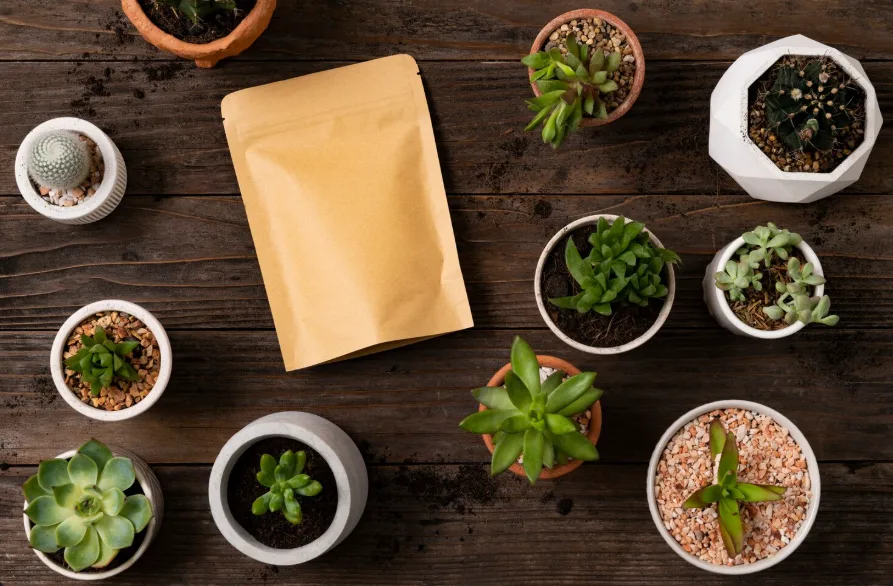
A small coffee business in the USA switched from plain plastic bags to custom kraft stand-up pouches with valves and resealable zippers. The coffee itself didn’t change. But customers suddenly perceived the brand as more premium and trustworthy. Sales increased simply because the packaging looked more professional and preserved freshness better.
That’s the power of a good packaging design!
8. Final Thoughts
Thus, flexible packaging is no longer just a packaging trend. It has become one of the most practical and effective solutions for modern brands. The right custom bag improves shelf visibility, protects your products better, lowers shipping costs, enhances customer experience, and strengthens brand identity. Whether you need stand-up pouches, mylar bags, coffee packaging, or custom printed flexible packaging, the key is choosing a solution that matches both your product and your audience. Because in today’s market, packaging is your brand’s first impression.
HOF Pack Team
Custom Packaging Experts at HOF Pack