Why Custom Packaging Matters for Modern Brands
Walk into any retail store or open any online order today, and you will find one thing very clear: packaging has become part of the product itself.
A well-designed box is no longer “just a box.”
It adds value to the product, builds branding, improves customer experience, protects the product, creates cute social media moments, enhances the whole unboxing experience of people, and, not to forget, sometimes even influences whether customers buy again. That’s why businesses across the USA are investing heavily in custom boxes and custom packaging designed specifically for their products and audiences.
But here’s the challenge: There are dozens of packaging styles available. Mailer boxes, shipping boxes, rigid boxes, folding cartons, display boxes, and whatnot. For many business owners, especially startups, choosing the right packaging can feel overwhelming.
This guide breaks everything down in simple terms so you can understand which custom packaging solution actually fits your business.
2. What Are Custom Boxes?
Custom boxes are packaging solutions specifically designed according to a product’s dimensions, branding, protection needs, and customer experience goals. In simple terms, custom packaging means dressing up your products in a pretty & functional box that makes customers go, “I want this ASAP.” Unlike generic stock packaging, custom boxes give businesses the freedom to design their package fully, which includes:
- Box size
- Materials
- Design / Style
- Printing
- Colors
- Finishes
- Structure
- Inserts and add-ons
This helps businesses create packaging that feels more professional, memorable, and product-specific.
Whether you run an e-commerce brand, bakery, candle company, cosmetic business, subscription service, or a retail store, packaging often becomes the first physical interaction customers have with your brand.
And first impressions matter. We hope you already know that!
3. Types of Custom Boxes for both E-commerce and Retail Brands:
Choosing the right style for your custom packaging can be very overwhelming. We understand your concern. That is why we have listed all types of custom boxes that you can choose from for your products, and we have addressed all the confusion that you might have regarding custom packaging boxes.
Corrugated Boxes: The Backbone of Shipping Packaging
If you’ve ever received an online order, chances are it arrived in a corrugated box. It looks like a heavy, brown material, with fluted layers for added protection. Here’s how:
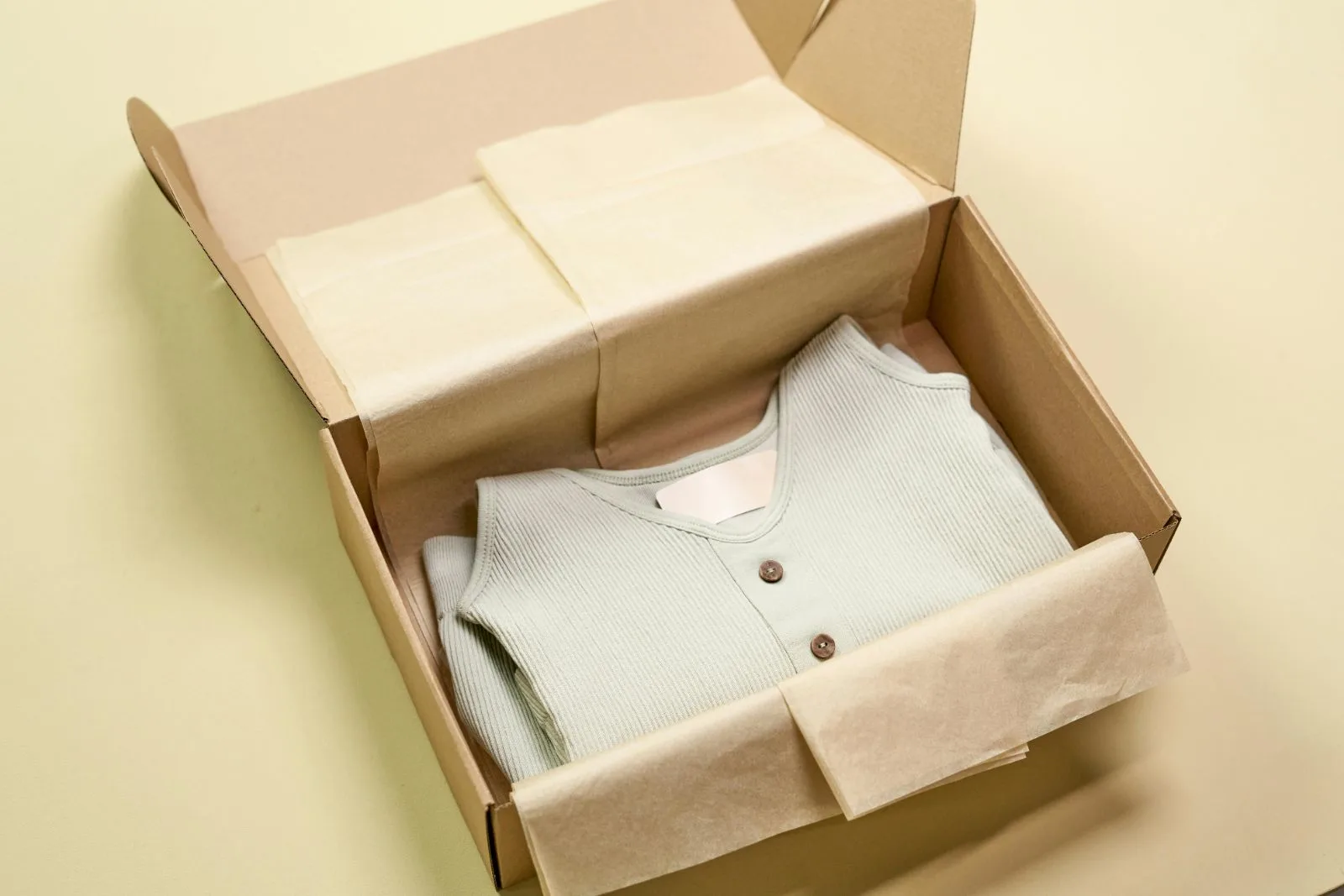
Corrugated packaging is one of the most commonly used secondary packaging materials in the USA because it provides excellent strength and durability. They are mostly used for shipping, sometimes as a tertiary packaging material.
Unlike regular paperboard, corrugated material contains fluted layers between liners, creating cushioning and structural support. They are ideal for:
- E-commerce packaging
- Shipping fragile products
- Subscription boxes
- Heavy products
- Warehouse storage
They’re especially popular among DTC (direct-to-consumer) brands because they handle transportation stress well.
Mailer Boxes: The Favourite Box of DTC Brands
The second common category of custom boxes is mailer boxes. Many businesses confuse these mailer boxes with simple shipping boxes. However, they are not the same. Although mailers are known for their shipping convenience, the two packaging styles serve slightly different purposes.
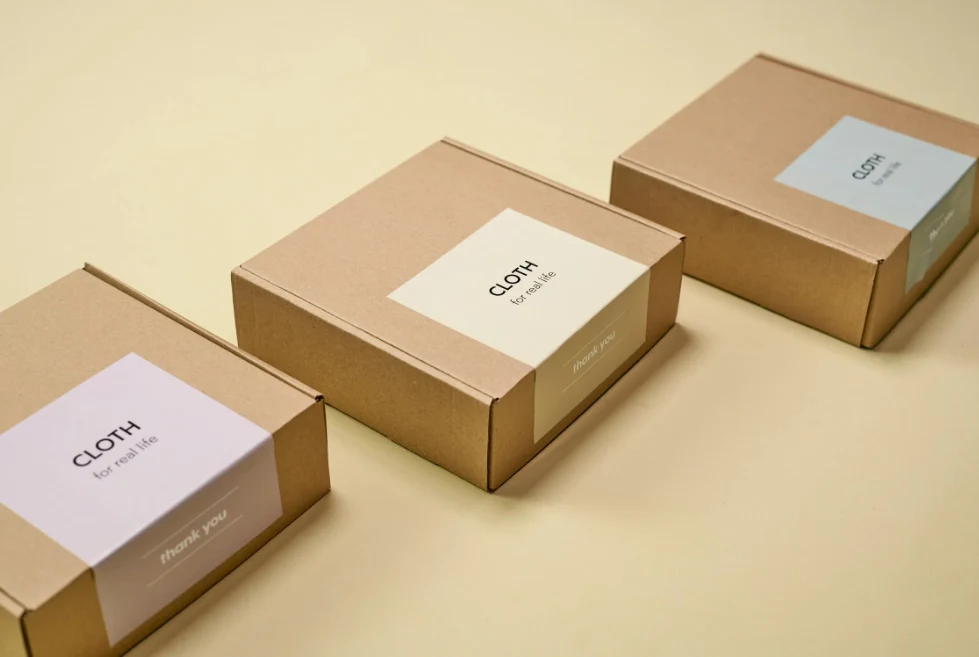
Mailer boxes are designed primarily for branding and customer experience. A well-designed mailer box can turn a simple delivery into a memorable unboxing experience. Made from cardboard and kraft materials, they have front tuck closures, create a clean unboxing presentation, have a lightweight structure, and allow custom printing. Commonly used for:
- Retail packaging
- Subscription boxes
- Cosmetic packaging
- Apparel packaging
- PR kits
- Influencer mailers
- E-commerce custom packaging
Shipping boxes, however, are completely different. They focus more on transportation protection. They are stronger, more durable, non-customized, better for stacking, and ideal for bulk shipping. They are literally what we call “a simple box”. Businesses shipping large or fragile products often prefer corrugated shipping cartons for added protection.
Folding Cartons: Lightweight Retail Packaging
Folding cartons are another extremely popular packaging style in the US, especially in retail markets. These boxes are usually made from paperboard materials like SBS or kraft paper. They are shipped flat and folded into shape. Unlike corrugated packaging, folding cartons are lighter and more focused on shelf presentation, rather than secure shipping. They come in different styles: custom tuck boxes, glued-end folding cartons, or automatic interlocking bottoms. Folding cartons are widely used for:
- Soaps
- Candles
- Cosmetics
- Food products
- Supplements
- Pharmaceuticals
They work well for products that don’t require extremely heavy-duty protection but still need strong branding and attractive presentation. But the question is, do they even matter for brands? (hint: duh!)
Do you know why retail brands prefer folding cartons? Because retail shelves are competitive. You only have 3 seconds, yes! 3 seconds to grab the attention of customers in a competitive retail market. Once you grab their attention, they’ll start engaging with the product. 50% of the people who engage with your product buy it. This is called impulse buying. And that is why custom packaging is important for retail brands. They need packaging that grabs attention quickly. And folding cartons, especially tuck boxes, work amazingly well in this case. They allow businesses to use high-quality printing, vibrant colors, unique die-cut designs, and luxury finishes. This helps products stand out visually in stores.
|
Interesting fact: Research consistently shows that customers often judge product quality based on packaging appearance before they even try the product itself. |
Rigid Boxes: Premium Packaging for Luxury Brands
Custom rigid boxes are considered one of the most premium forms of packaging. Unlike folding cartons, rigid boxes are made using thick chipboard materials that do not collapse easily. These non-collapsible boxes instantly create a high-end feel.
Rigid boxes are commonly used for:
- Luxury candles
- Perfumes
- Jewelry
- Electronics
- High-end gifts
- PR packaging
Confused? Think about Apple packaging again. The smooth opening experience, organized inserts, and sturdy structure all contribute to one and only one feeling: “Luxury.” That’s exactly what rigid packaging is designed to achieve. And that is exactly why luxury brands invest in rigid boxes. Luxury packaging is not only about appearance. It also creates stronger product protection, better unboxing experiences, higher perceived value, and improved brand recognition. And you know what the best part of these rigid boxes is? People do not throw it away! In many cases, customers even keep rigid boxes after purchase because the packaging itself feels valuable.
Display Boxes: Packaging That Helps Products Sell
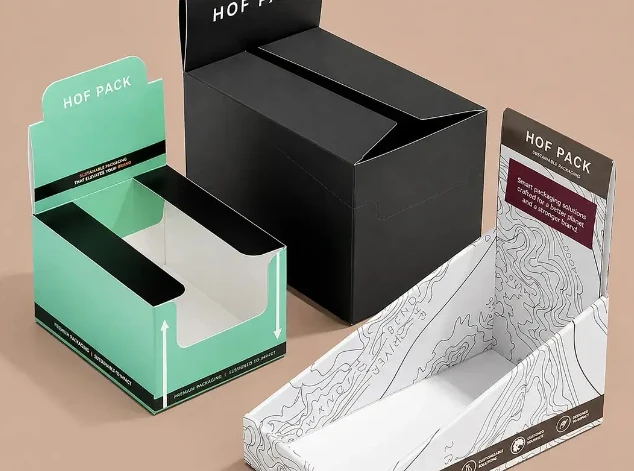
Last but not least, we have display packaging. There are some packaging styles that are designed not just for protection, but for visibility. For that instant, first sight love! Just kidding, (are we?) That’s where display boxes come in. They are built to showcase your products in the retail market.
Retail display packaging helps products stand out in supermarkets, checkout counters, and retail shelves. Good retail presentation often increases customer interaction, and that automatically increases impulse purchases.
Popular display packaging styles include:
- Counter display boxes
- POP displays
- Floor displays
- Shelf-ready packaging
- Hanging display boxes
These packaging solutions are especially useful for:
- Snacks
- Cosmetics
- CBD products
- Small accessories
- Impulse-buy items
Which Custom Box Style Should You Choose?
There’s no universal packaging solution that works for every product. The “best” box depends on your product, audience, and sales channel.
Want our advice? Think about it. What is your brand category? Are you a small startup, home-based business, retail store, e-commerce store, or simply a DTC brand? Now assess your product. Does it need to grab attention or does it need protection, or both? After you ask yourself these questions, you’ll easily understand which box style is perfect for your product.
Here’s a simple breakdown:
|
Packaging Type |
Best For |
|
|
|
|
|
|
|
|
|
|
Printing Options for Custom Boxes Explained
The next step after choosing the ideal box type and material choices is printing. Printing quality directly affects how professional the packaging looks. Simple digital printing is perfect for retail stores and small e-commerce businesses. Whereas foil stamping gives the idea of luxury and makes a simple, plain box very chic. Modern custom packaging usually uses several major printing methods.
CMYK Printing: The Most Common Choice
CMYK printing is widely used because it’s versatile and cost-effective. CMYK stands for Cyan, Magenta, Yellow, Black. This printing method combines these four colors to create full-color artwork and graphics. This is best for:
- Product images
- Complex designs
- Full-color packaging
Spot Color Printing: Perfect for Brand Consistency
Spot color printing uses pre-mixed inks instead of blending multiple colors. Large brands often rely on spot colors to maintain identical packaging colors across all products. The most common system used is PMS (Pantone Matching System). This method is best for:
- Brand logos
- Exact color consistency
- Corporate branding
Foil Stamping: Adding Luxury & Attention
Foil stamping applies metallic or pigmented foil onto packaging surfaces. It instantly creates a premium appearance. That’s why luxury candle, cosmetic, electronic, and jewelry brands frequently use foil finishes. Popular foil colors include:
- Gold
- Silver
- Rose gold
- Holographic
Other Popular Packaging Finishes
Adding small details to your custom packaging USA significantly affects how the packaging feels in customers’ hands. Your custom box is like a walking billboard in their hands. Apart from CMYK and On-spot printing, businesses also enhance packaging using finishes like:
- Matte coating
- Gloss coating
- Spot UV
- Embossing
- Debossing
- Soft-touch lamination
|
Pro Tip: Matte finishes are especially trending in the USA market because they create a softer, more modern luxury look. |
Sustainability Is Changing the Packaging Industry
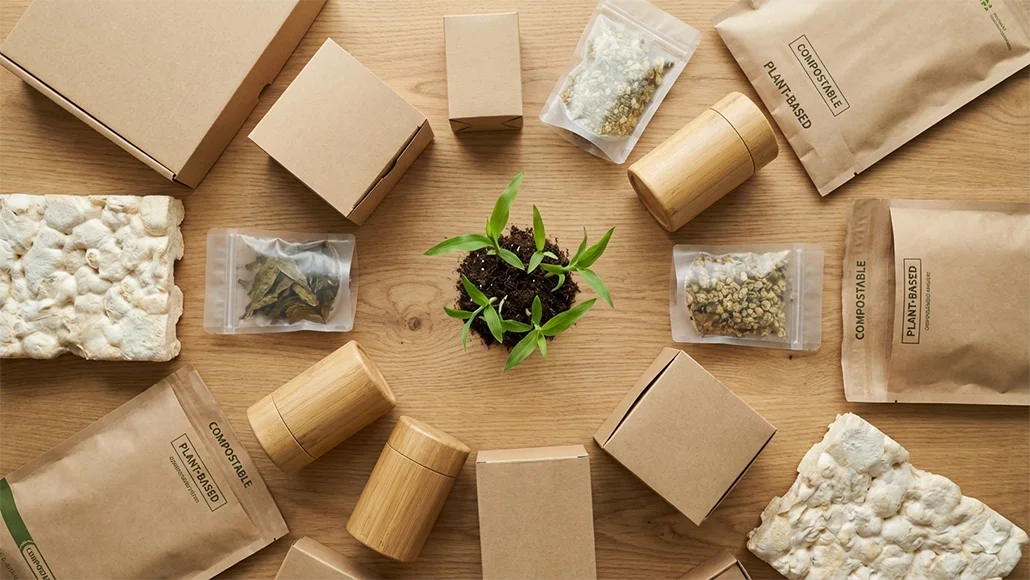
Since global warming and climate change have shown their disasters to the world, packaging trends are shifting rapidly toward sustainability. Many consumers now actively prefer brands that care about planetary boundaries, using recyclable materials, FSC-certified paper, minimal plastic packaging, and eco-friendly or water-based inks. As a result, businesses are also increasingly shifting towards eco-friendly packaging. They are using customized Kraft boxes, corrugated packaging, recyclable mailers, and custom paper tubes. Interestingly, you know what, sustainable packaging often improves customer trust because it reflects responsible brand values. Since Kraft is a material, you can also choose mailer boxes, display boxes, and even tube packaging in Kraft material.
The Custom Packaging Process: How Businesses Order Boxes
For first-time businesses, ordering custom packaging may seem complicated. But the process is usually straightforward. Here’s a step-by-step guide for you to follow while placing your custom boxes order.
Step 1: Choose Your Packaging Type
Start by identifying:
- Product size
- Product weight
- Shipping requirements
- Retail or e-commerce usage
Step 2: Select Materials
Choose between:
- Corrugated cardboard
- SBS paperboard
- Kraft materials
- Rigid chipboard
Step 3: Finalize Artwork & Printing
This includes:
- Logo placement
- Brand colors
- Typography
- Finishes
Step 4: Request Samples
Sampling helps businesses test packaging before bulk production. Most packaging companies offer:
- Digital mockups
- Physical prototypes
- 3D renders
Step 5: Production & Shipping
After approval, the packaging enters mass production and is shipped to warehouses or business locations.
Final Thoughts: Packaging Is Part of Brand Identity Now
In short, modern packaging does far more than protect products. Today, custom boxes influence customer perception, their social media engagement, affect brand trust, retail visibility, and the prospects of repeat purchases. A thoughtfully designed package can turn an ordinary product into a memorable customer experience. Whether you choose corrugated mailer boxes, folding cartons, rigid luxury boxes, or retail display packaging, the right packaging solution helps businesses stand out in an increasingly competitive market. And in the USA packaging industry today, that difference matters more than ever.
HOF Pack Team
Custom Packaging Experts at HOF Pack